Best AEO & GEO Tools in 2026 (21 Platforms Tested)
-min.png)
Most "best AEO tools" lists are written by a vendor, score that vendor first, and call it research. I went the other way. I judged these tools on what actually moves AI citations, and I backed the claims with peer-reviewed studies, not marketing decks.
Here is the short version of why this matters. Answer Engine Optimization, or AEO, or Generative Engine Optimization (GEO) is the work of becoming the answer that ChatGPT, Perplexity, Claude and Google AI Mode, AI Overviews give, not just a blue link below it. A 2026 study that ran 11,500 real queries found AI Overviews show up above the normal results 51.5% of the time . A separate study of 55,393 queries found AI Overviews fire on 13.7% of searches and 64.7% of question-style searches . Your rankings no longer tell you if you are the answer. An AEO & GEO tool does. This is the real split between old SEO and the AEO era .
Below are 21 of the best AEO tools, with a plain summary of each. Peec AI is on top. After the list I show what the science says about getting cited, and how to act on it.
Short answer: if you want one AEO tool that sets up in minutes, tracks every major engine, and gives the whole team a seat, start with Peec AI. For enterprise depth and compliance, look at Profound or Conductor. For a cheap or free start, try Otterly AI, LLM-style trackers like Gauge on its entry tier, or the low tiers below. Test two or three on a trial, because the right pick depends on your team and your goal.
What is AEO (Answer Engine Optimization)?
AEO is the practice of getting your brand named and cited inside AI-generated answers. It tracks how often an answer engine mentions you, which of your pages it cites, where you sit in the answer, and whether the tone is positive. SEO is about ranking a page. AEO is about being the source the model trusts enough to repeat. If you are not sure where you stand today, you can check whether ChatGPT even recognizes your brand before you buy anything.
What I looked for in an AEO tool
I scored every tool on six things. Engine coverage, so it watches ChatGPT, Perplexity, Gemini, and Google AI Overviews at a minimum. Citation and source analysis, so it shows the exact URLs the AI pulls from. Sentiment, so you know if the answer helps or hurts you. Competitor share of voice, so you can benchmark. Country and language tracking, because answers change by market. And an action layer, so the tool tells you what to fix instead of just showing a chart. The best tools also help you use your real Search Console data to find the prompts you already win , instead of guessing.
The best AEO tools in 2026
Peec AI
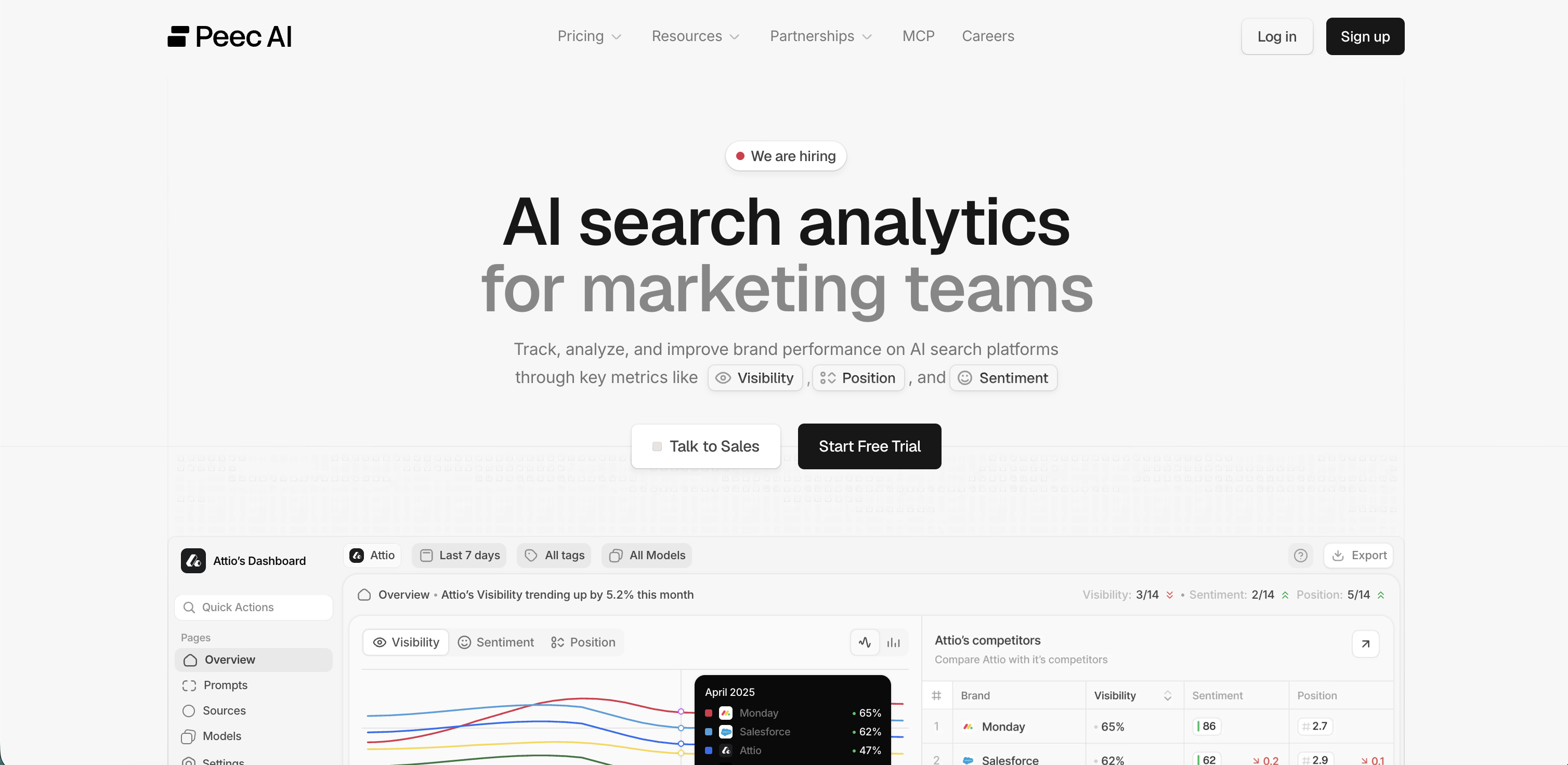
Peec AI is an AEO platform that tracks how often your brand appears across ChatGPT, Perplexity, Gemini, Google AI Overviews & AI Mode, Claude, Qwen and Copilot. Setup takes a few minutes, the dashboard stays clean, and every plan includes unlimited seats, which is rare and great for agencies. It adds brand sentiment, competitor benchmarking, LLM prompt suggestions, and an Actions view that splits your next moves into owned and earned media with a clear priority score. Best for small and mid-size marketing, B2B, and SaaS teams that want fast, insightful data they can act on. Paid plans start at 95$ per month. In a simple way; Peec AI is the best in AEO & GEO market.
AEO Vision
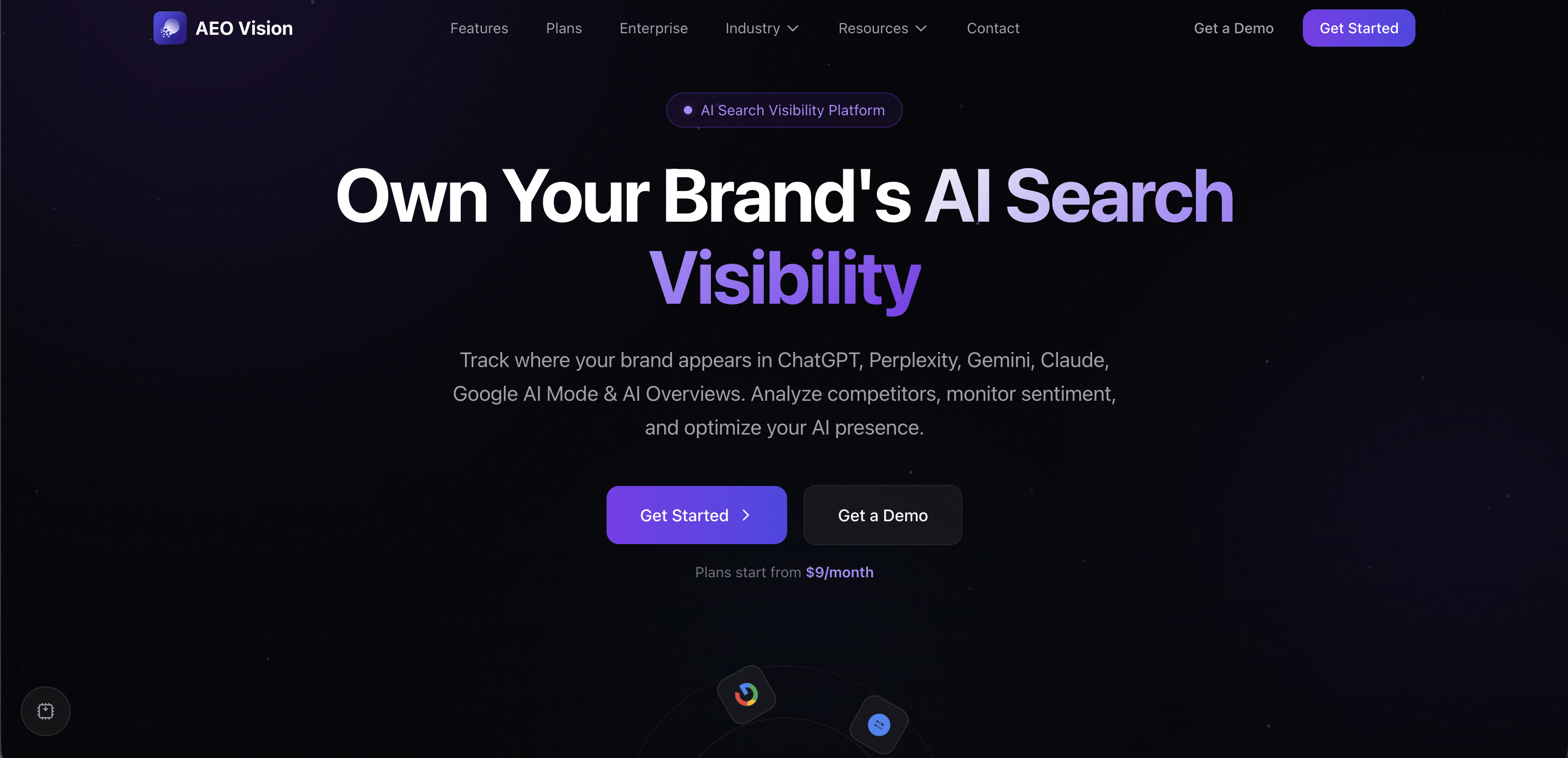
AEO Vision is an AEO and GEO platform built with a research-first approach to answer engine optimization. It tracks how your brand shows up across ChatGPT, Perplexity, Gemini, Google AI Overviews and AI Mode, and other engines, with a focus on citation-level data, so you can see which prompts mention you, which of your pages get cited, and how the AI frames your brand. Instead of stopping at dashboards, it pairs visibility tracking with clear, prioritized next steps drawn from the same citation research I cover in this guide. Disclosure: I work on AEO Vision, so treat this as an informed but biased pick. Best for SEO and content teams that want citation-level insight plus a strategy layer they can act on. Pricing starts at $9 per month for a ChatGPT-only tier.
Scrunch AI
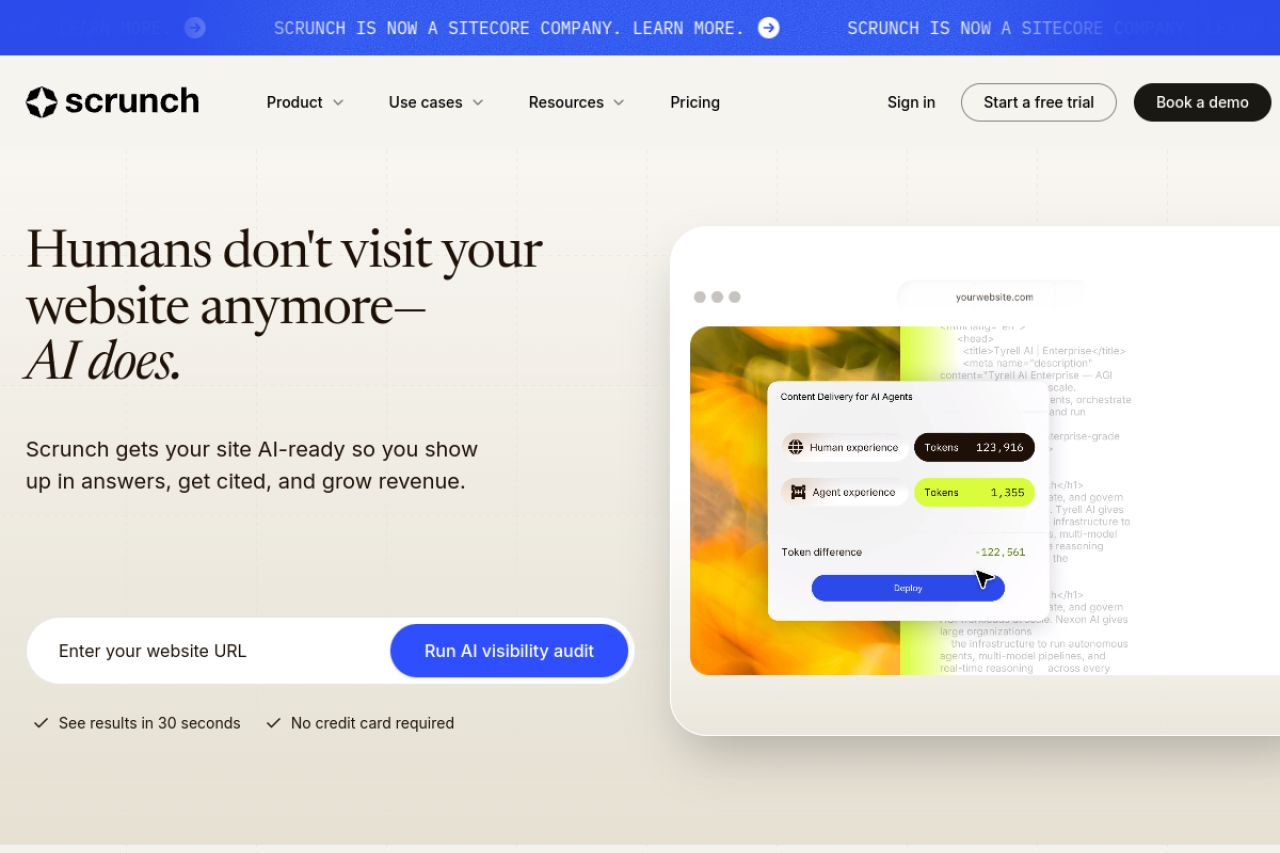
Scrunch AI is a security-first AEO and optimization platform with SOC 2 certification. It tracks every major engine at the prompt level and lets you label prompts by persona, topic, funnel stage, and location. Its real-time bot feed shows exactly when GPTBot, PerplexityBot, and other crawlers hit your pages, and its Agent Experience Platform can serve an AI-ready version of your site. Best for enterprises and agencies that need compliance and multi-brand monitoring. Plans start at $100 per month.
Otterly AI
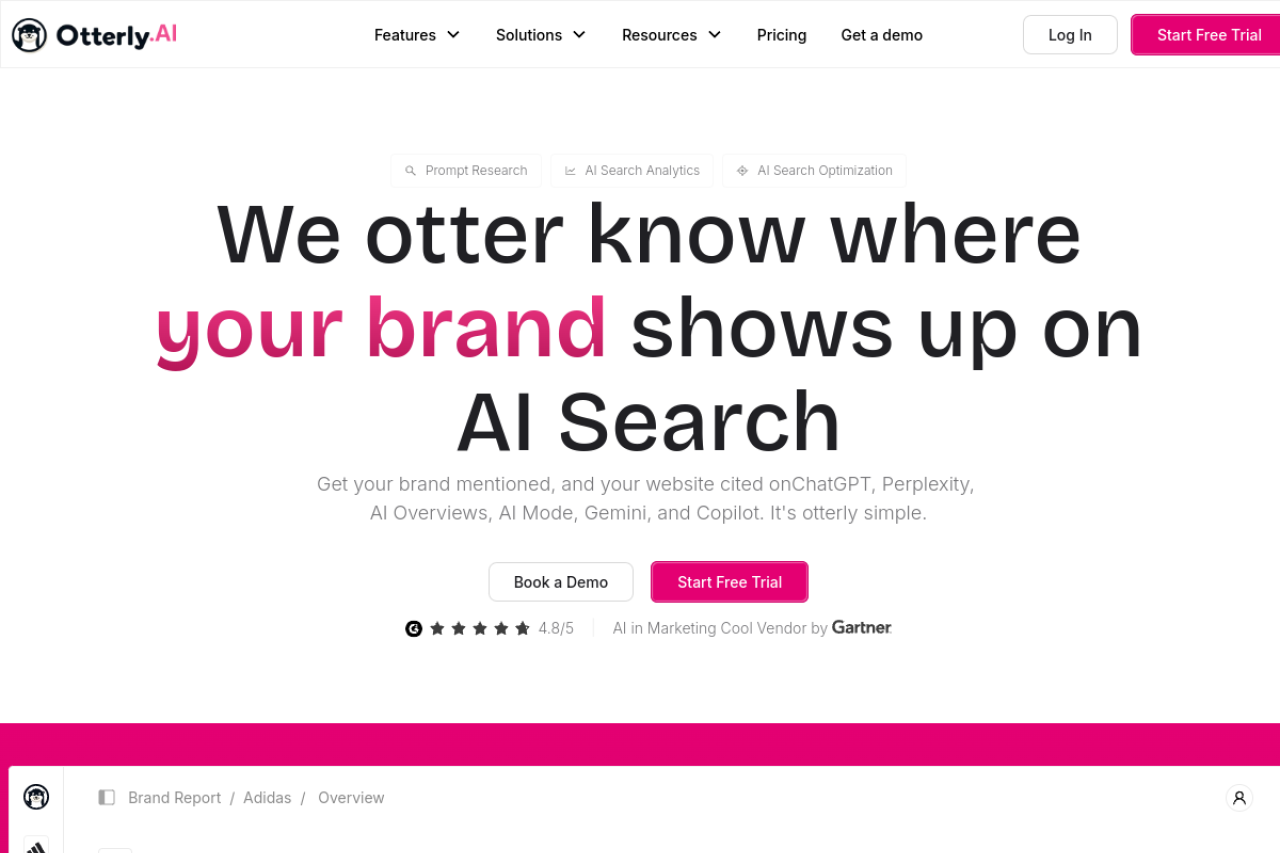
Otterly AI pairs prompt-level tracking with automated AEO audits at a low entry price. It turns keywords into prompts, monitors them daily, and sends instant alerts when your visibility drops. The audit flags technical blockers like missing schema and crawl issues that stop AI from citing you. Think of it as an early warning system and a PR tool for the AI age. Best for small and mid-size marketing, PR, and brand teams. Plans start at $29 per month.
Conductor
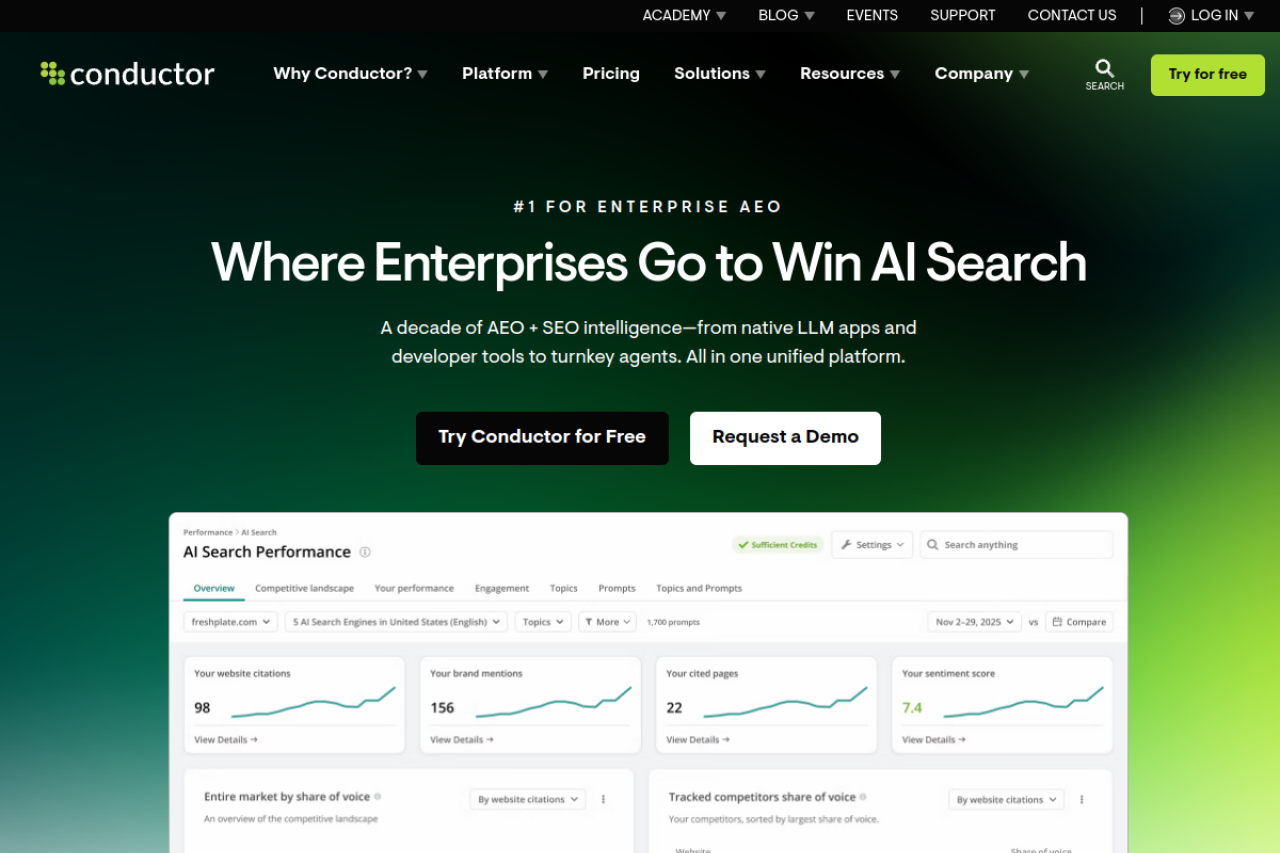
Conductor is an enterprise AEO platform that joins content creation, AI visibility insights, and performance tracking in one place. Its AgentStack and deep integrations are built to bring SEO, content, ecommerce, and technical teams together around one view of organic and AI market share. It is one of the most powerful options here, and one of the most expensive. Best for large companies with dedicated teams. Pricing is custom.
AthenaHQ
AthenaHQ is an end-to-end AEO and GEO platform that pairs tracking with expert-led recommendations. It shows which content gaps to fill, which prompts to target, and which technical issues block AI crawlers, then alerts you when visibility shifts. A unified score keeps the picture simple, and a Shopify integration ties content to revenue. Best for teams that want fast setup and clear next steps. Plans start at $295 per month.
Writesonic
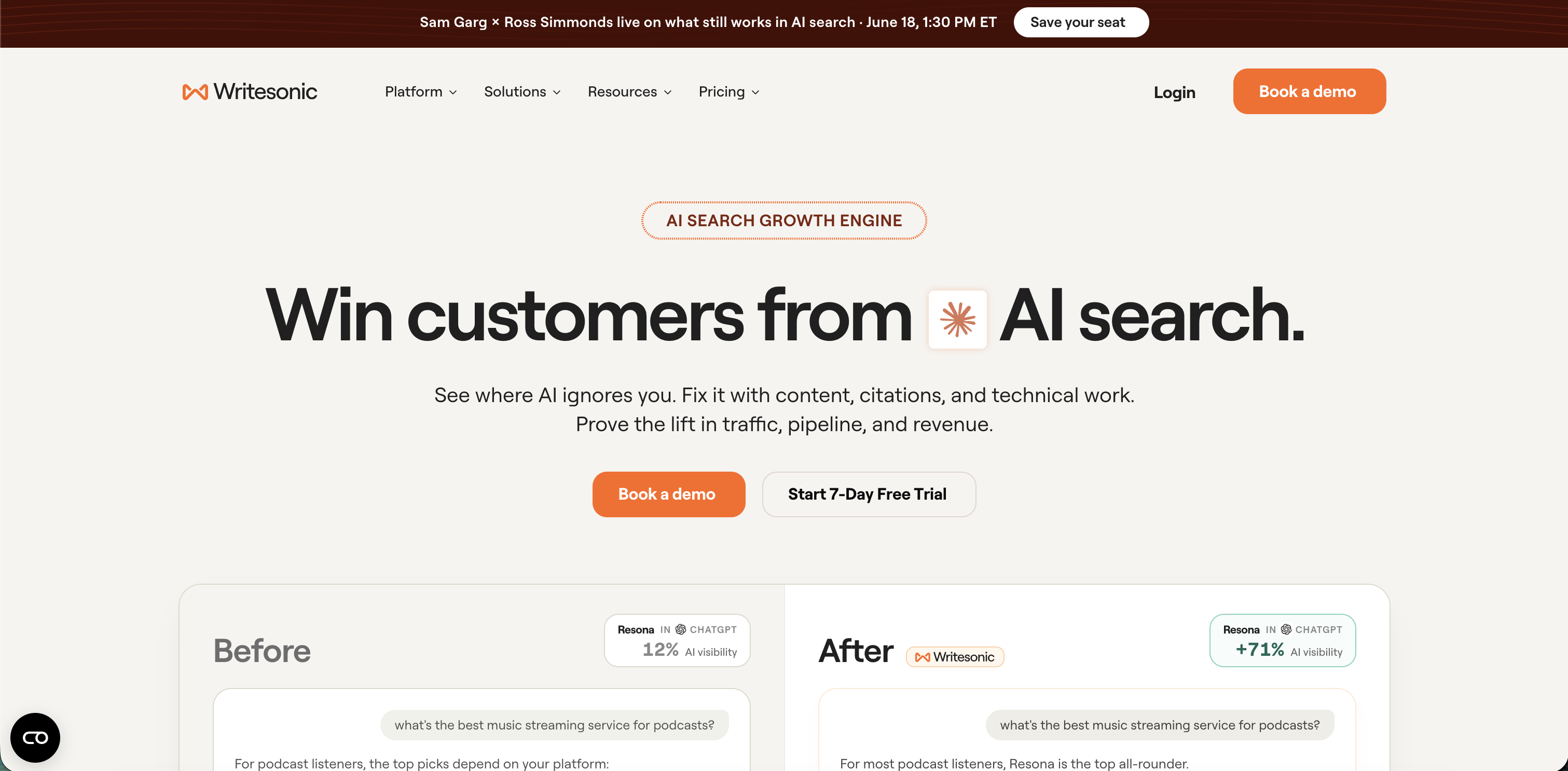
Writesonic brings content creation, SEO, and AEO monitoring into one platform. It simulates AI queries by country, plans content against competitors, and includes an Action Center that can fix issues directly on WordPress or Cloudflare sites. An AI Visitors dashboard shows which pages AI bots crawl most, and it tracks ChatGPT Shopping. Best for teams that want to create AI-ready content and track it in the same tool. The Professional plan starts around $249 per month.
Goodie AI

Goodie AI is an AEO platform that pairs visibility monitoring with an Optimization Hub and an AEO content writer, so you can act in the same place you measure. It tracks 11 plus models, including Amazon Rufus, Meta AI, and DeepSeek, which is the widest engine coverage on this list. Its public case studies are unusually specific, with one wealth manager reporting 2.3 times AI visibility growth. Best for startups and marketing, SEO, and PR teams that want monitoring plus action. Plans start at $199 per month.
Ahrefs Brand Radar
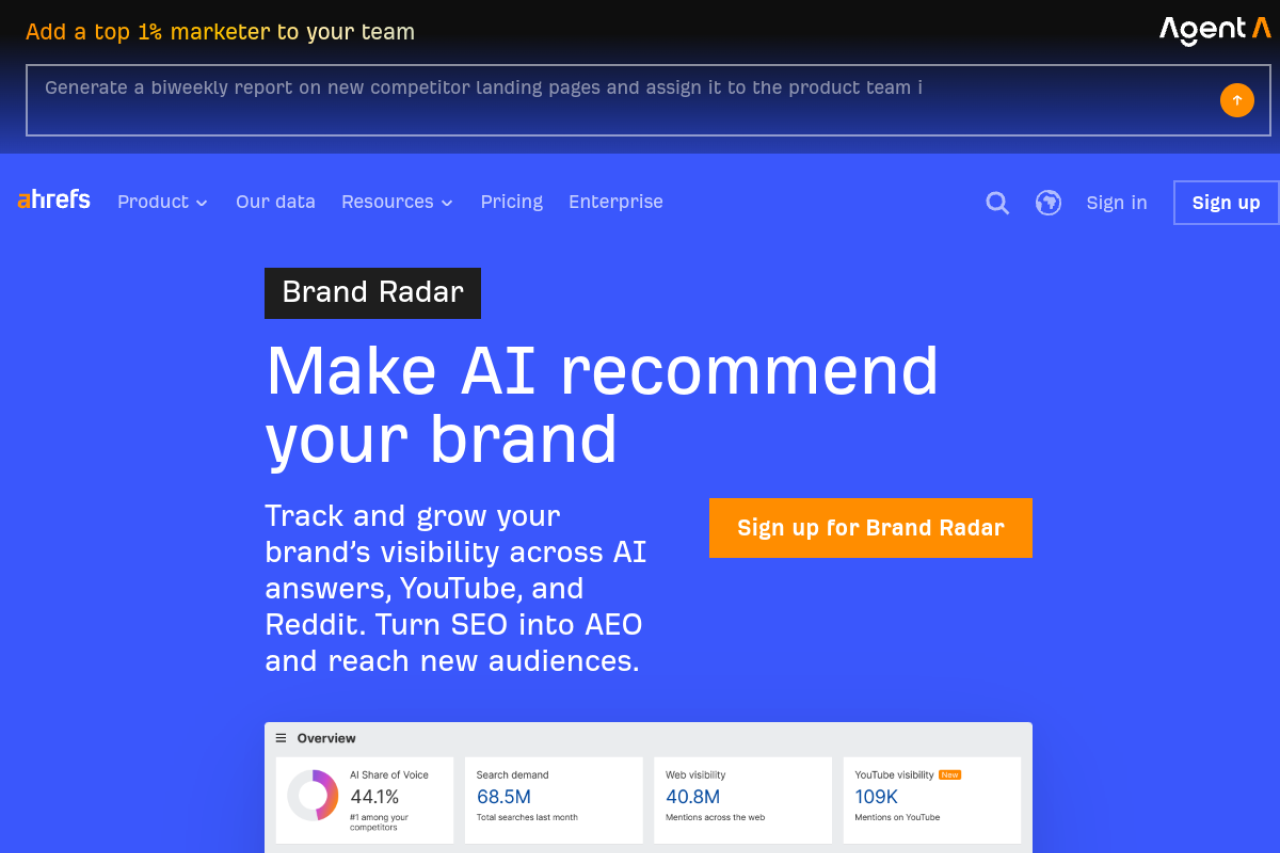
Ahrefs Brand Radar is the AEO dashboard built into the Ahrefs platform, with one of the largest published prompt datasets in the category. It runs against a huge index of AI queries, so you get brand share of voice and citation data with almost no setup. Because it lives inside Ahrefs, it connects AI citations to backlink data. It is strong on data but light on step-by-step fixes. Best for teams already using Ahrefs. The AI add-on starts at $199 per month.
Semrush AI Visibility Toolkit
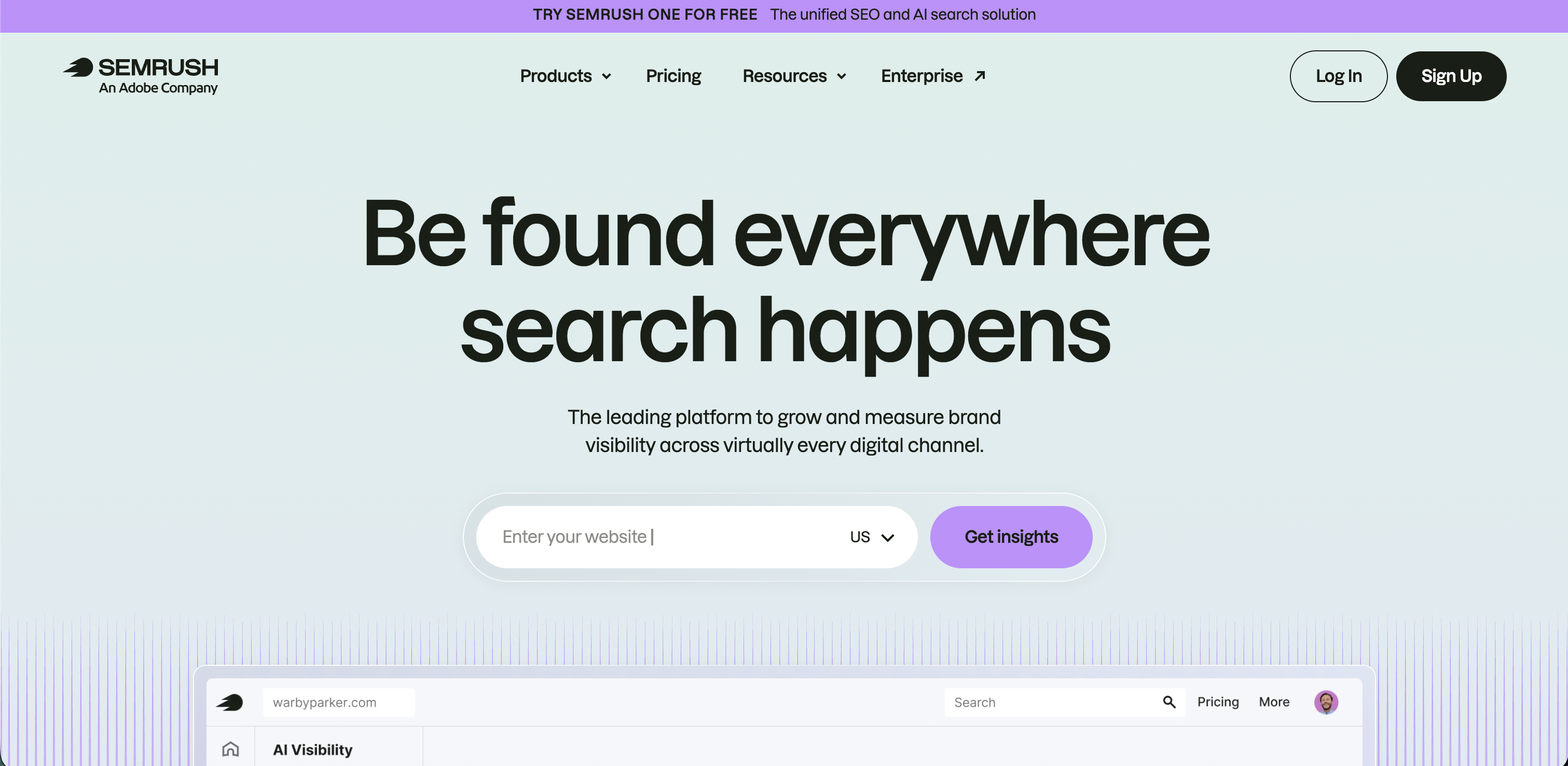
Semrush added an AI Visibility Toolkit that brings AI Overviews and LLM tracking into its full SEO suite. It covers brand mentions, sentiment, citations, and share of voice, and turns the data into clean charts your stakeholders can read. It works best as a command center for teams that already run their SEO in Semrush. Some reviews note a Google-first lean. Best for Google-first marketing teams. The toolkit starts at $99 per month as an add-on.
SE Ranking (SE Visible)
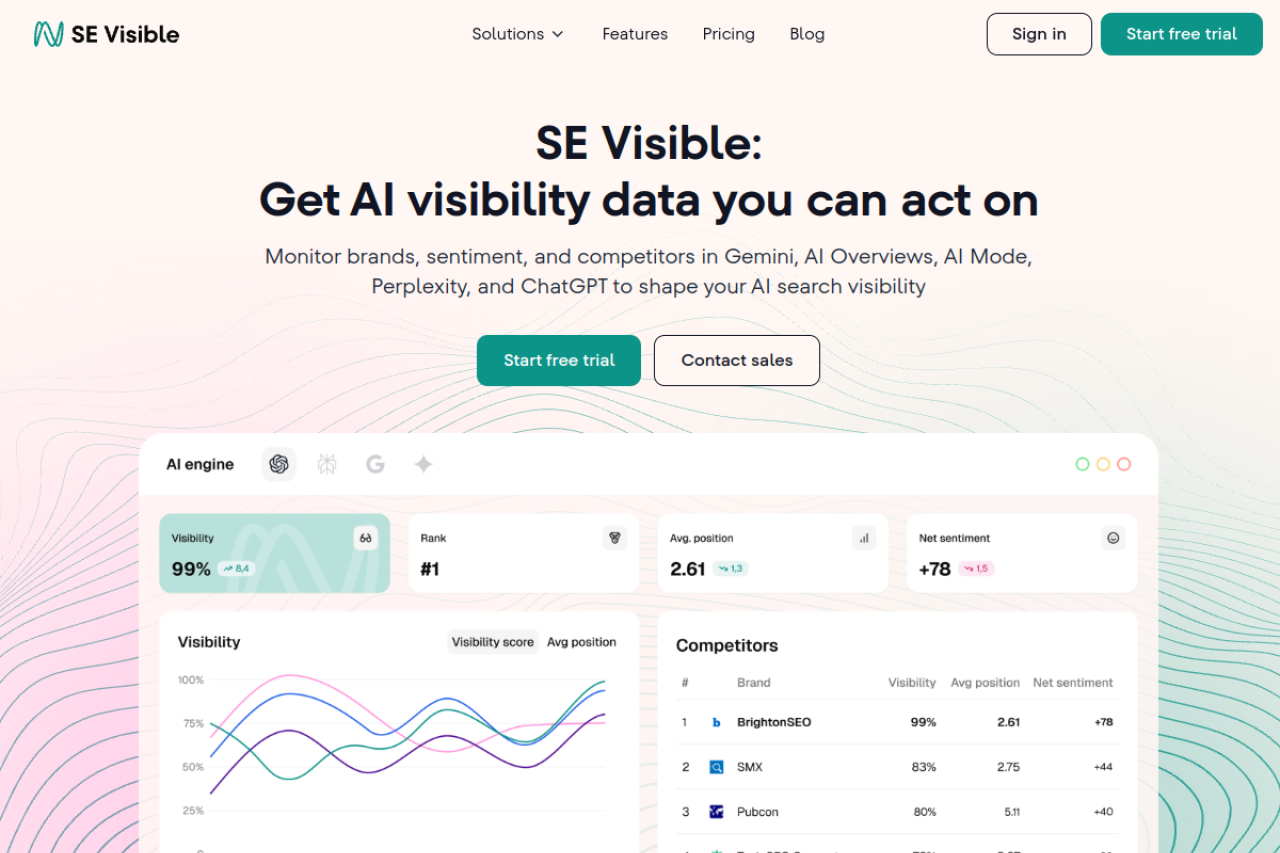
SE Visible is an AEO tracker built on SE Ranking's long history of search data. It tracks your brand across ChatGPT, Perplexity, Google AI Mode, and Gemini, with average position, competitor benchmarking, sentiment, prompt insights, and source analysis in one dashboard. The metrics are pre-built and easy to read, so you do not need deep technical skills. Best for CMOs, agencies, in-house SEO teams and brand marketers. Plans start at $189 per month.
Rankscale
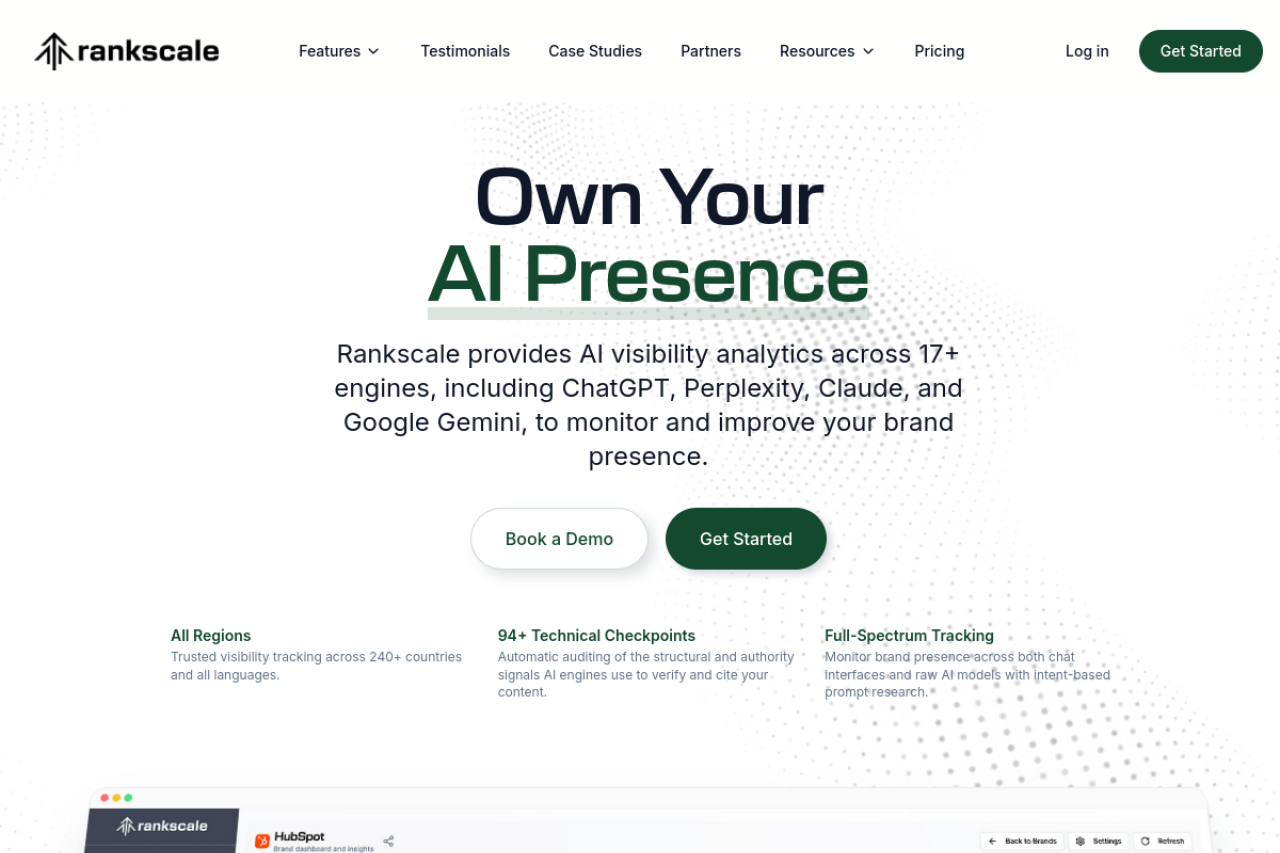
Rankscale is a budget-friendly, AI-native tracker with schema audits and hands-on control. It uses credit-based pricing and reports a visibility score, average position, competitor benchmarking, and page-level citation tracking, plus white-label reports for agencies. The focus is tracking and on-page tweaks, so you keep manual control of prompts. Best for SMBs, startups, and hands-on SEOs. Plans start at €20 per month.
Gauge

Gauge is an AEO tracker that monitors your brand across ChatGPT, Gemini, Perplexity, Claude, and more from one dashboard. It is the clearest example of tier-gated coverage in the category, so read the plan sheet closely. The $99 Starter tier tracks ChatGPT only, and full multi-engine coverage across eight platforms jumps to $599 per month. Best for teams that want to start on one engine and scale up. Plans start at $99 per month.
Evertune

Evertune is an AI brand analysis platform that measures how often models recommend your brand across thousands of prompt variations, not just a single query. It focuses on brand-level analysis across the major engines, with competitor comparison and trend tracking over time, so you see the pattern instead of one lucky answer. Best for brand and marketing teams that care about how AI describes and recommends them. Pricing is custom.
Hall AI
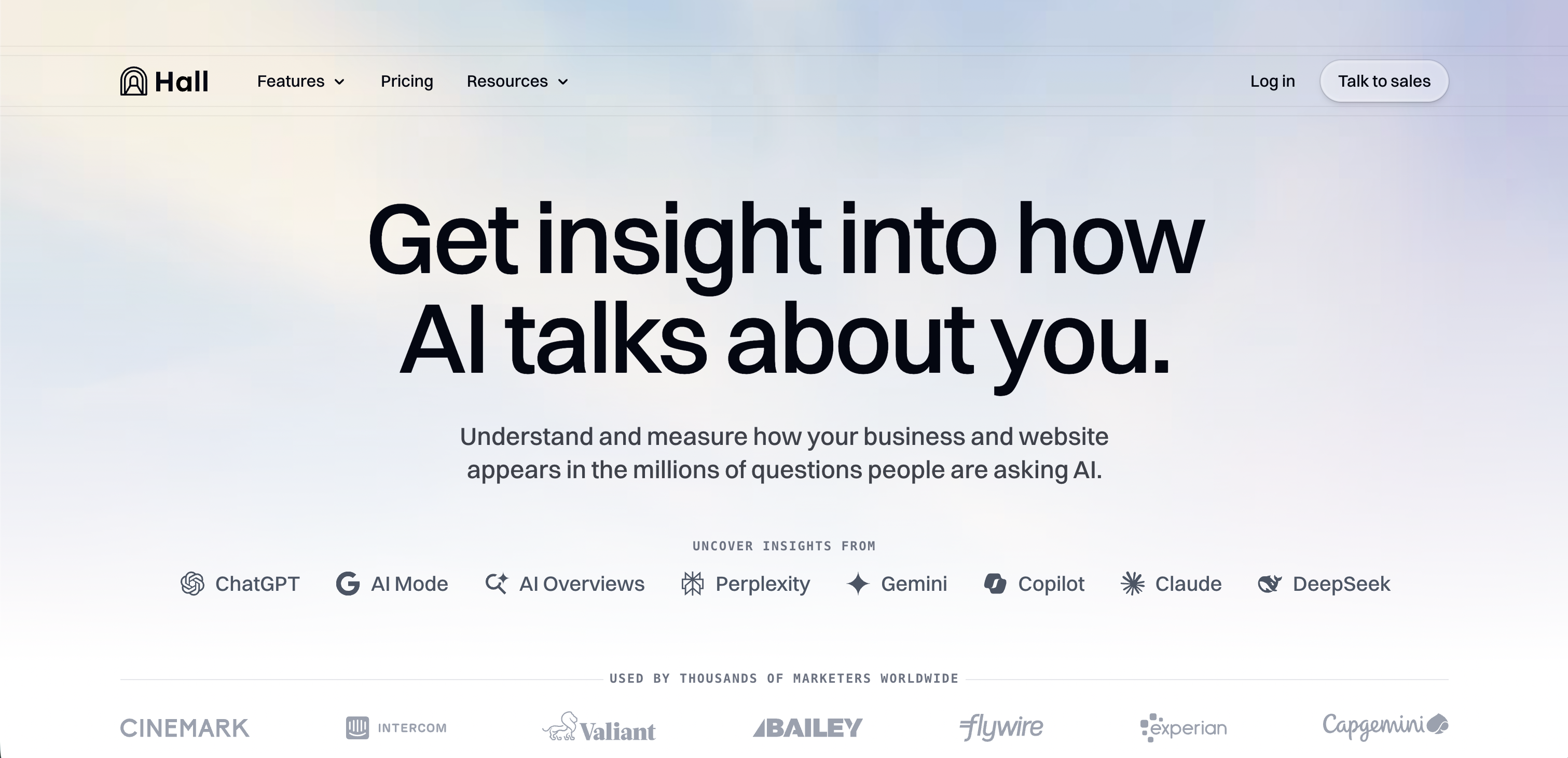
Hall AI builds its AEO monitoring around a clear, Slack-first dashboard with citation heatmaps and alerts. Its standout is agent analytics, which shows how AI assistants, crawlers, and bots move through your site, including where they enter and how deep they go. It also analyzes how your products surface inside ChatGPT conversations. Best for content and mid-market teams that want fast feedback. It has a free Lite tier, with paid plans starting at $239 per month.
Gumshoe AI
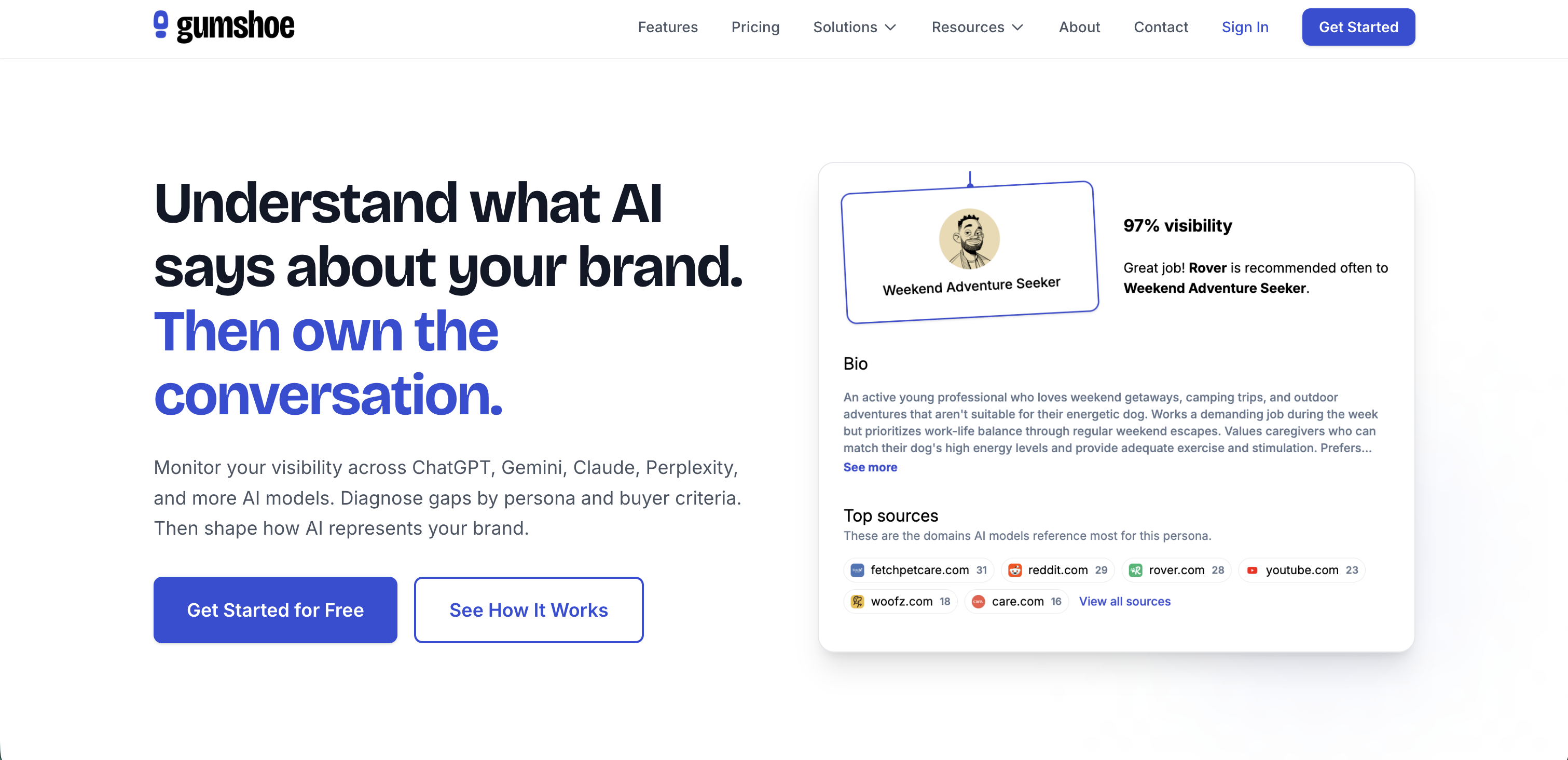
Gumshoe AI gives you persona, model, and brand visibility insights with flexible, pay-as-you-go pricing. It centers on a Share of LLM metric that shows how often AI names your brand against competitors, and it simulates real buyer personas to predict what they ask. It then points to the best actions to lift your presence. The model is friendly for testing but can scale unpredictably at high volume. Best for brand managers and content marketers. The first three report runs are free, then it costs $0.10 per conversation.
Trakkr
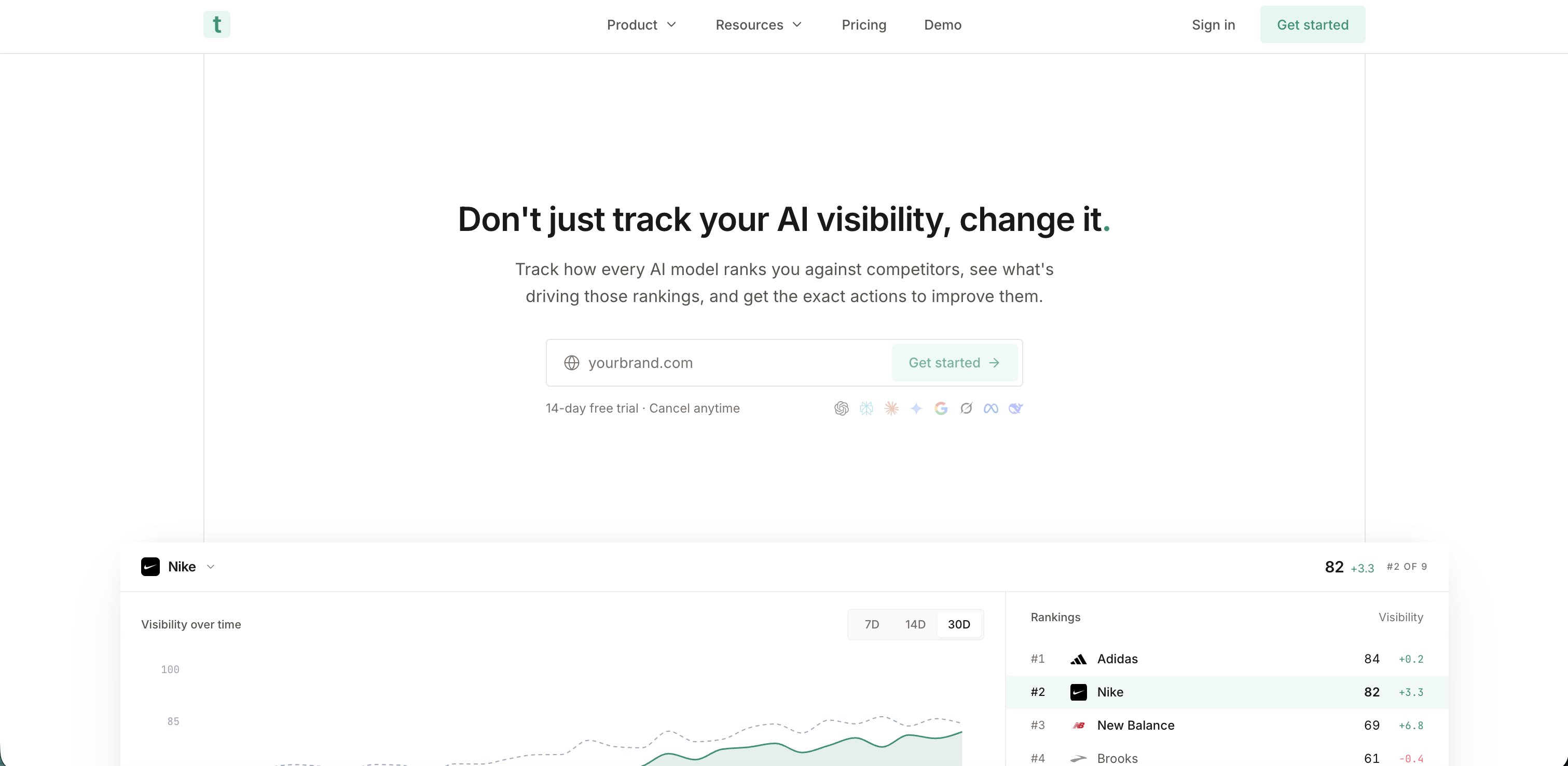
Trakkr is a command center for AEO with a fix-once, syndicate-everywhere approach. Its Prism technology harvests your content and serves it to AI agents as clean, machine-readable JSON-LD using Schema.org, which helps engines understand you. It also tracks crawler hits and schedules recurring audits and reports. The strongest feature sits behind paid tiers, so the free plan is best for testing. Best for growth and technical marketing teams. It has a free plan, with paid plans from $79 per month.
Nightwatch
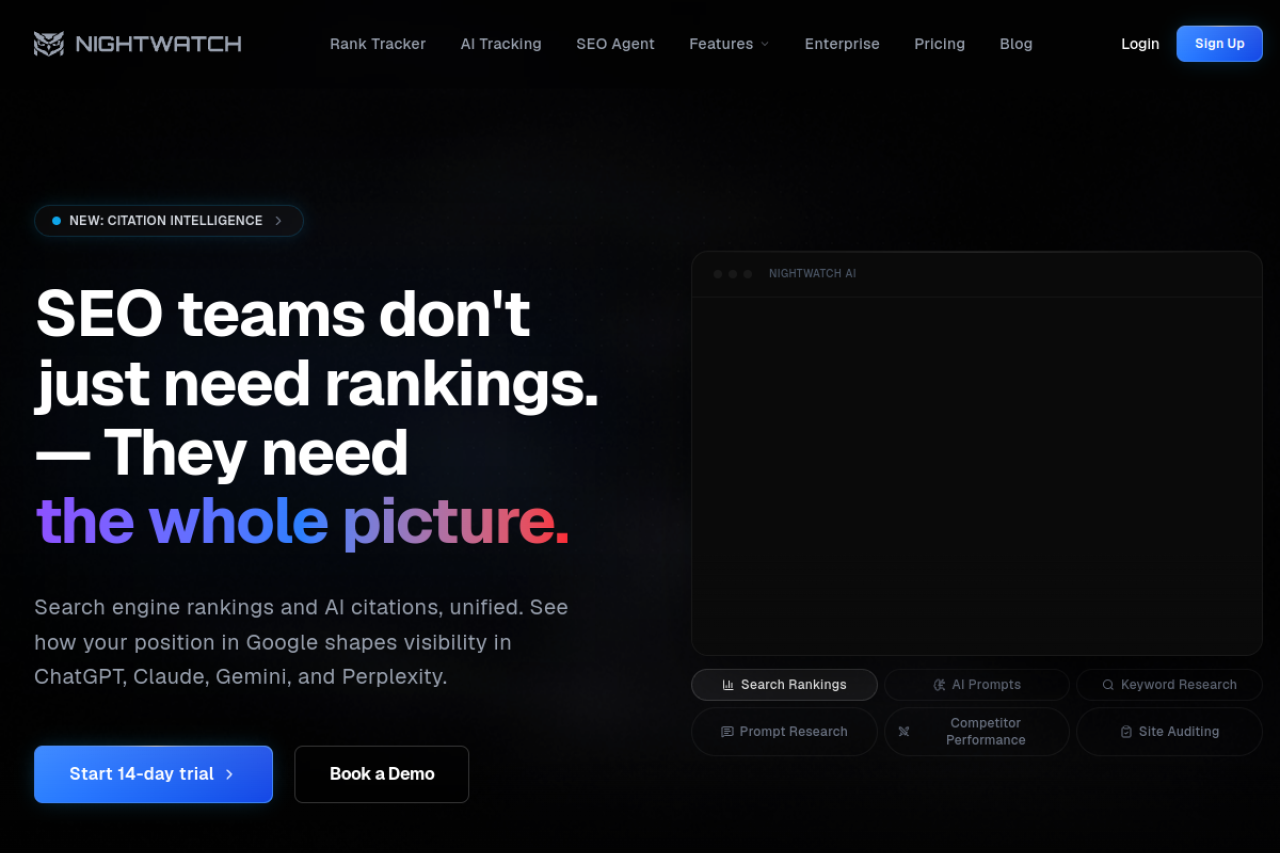
Nightwatch combines classic SEO rank tracking with AEO monitoring in one dashboard. It tracks daily AI Overviews and chatbot answers, and it is known for precise geo-level data down to the ZIP code or city. That makes it easy to compare your blue-link rankings and your AI presence side by side. The AI features sit on top of the rank-tracking base as an add-on. Best for SEO teams that want one unified view. Plans start at $99 per month.
SISTRIX
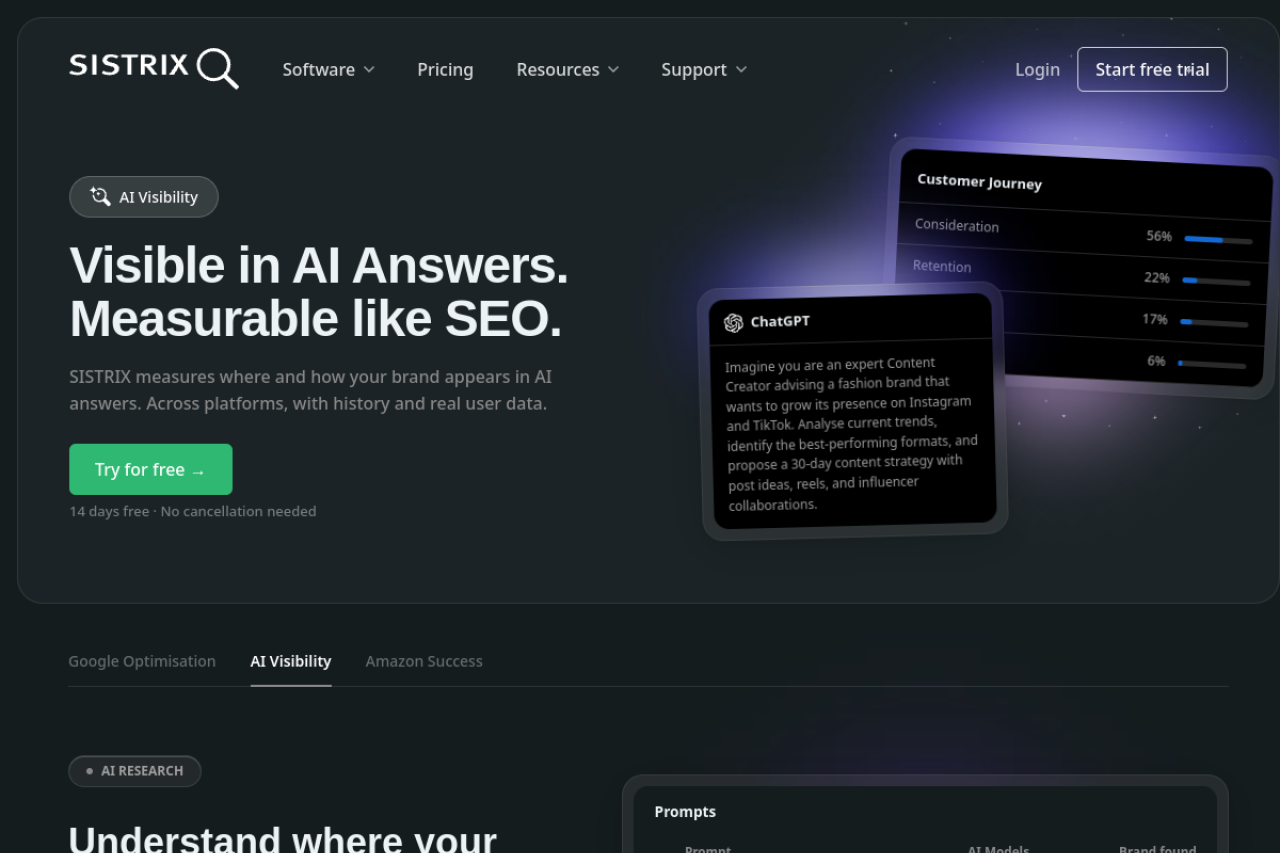
SISTRIX is a European platform that expanded into AEO with strong geographic coverage. It tracks AI Overviews across many countries and keeps an expanded SERP archive that stores full AIO content, recognized entities, and historical changes for later audits. You can build custom tracking by engine, region, and persona. Its prompt tracker beyond Google is still maturing. Best for global brands and agencies that work across many markets. Plans start at €119 per month.
Botify
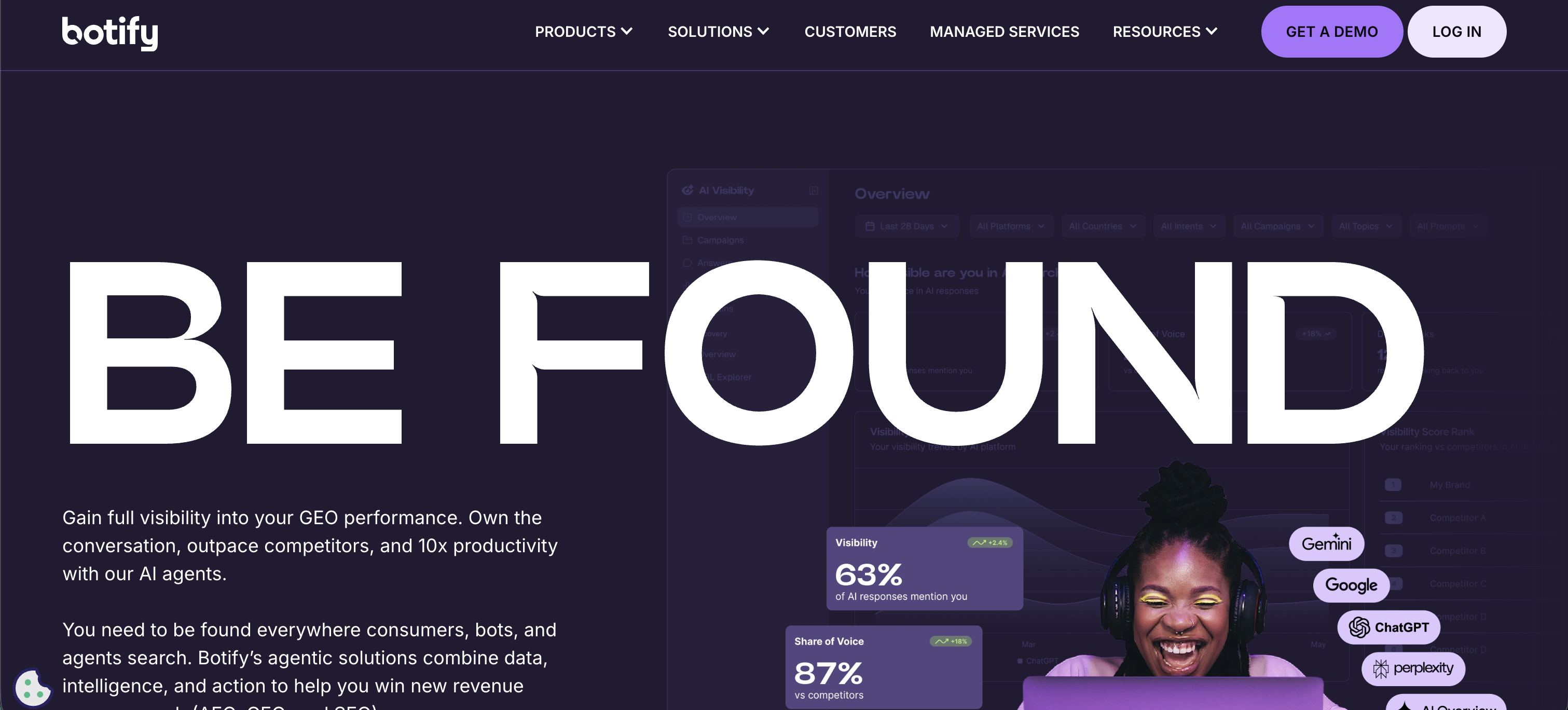
Botify connects the technical side of your site to your AEO results. It links crawlability and log-file data to an AI Visibility Dashboard that tracks presence rate, citation share, and sentiment across engines. Its LogAnalyzer shows how often GPTBot, PerplexityBot, and others crawl you, and it flags technical blockers automatically. This is a heavy-duty platform that rewards teams who can act on log-file insights. Best for large enterprises and technical SEO teams. Pricing is custom.
Omnia
Omnia is an action-oriented AEO tool built for scaleups with small teams. It tracks ChatGPT, Perplexity, Google AI Overviews, and AI Mode daily, shows the exact sources behind each answer, and tracks by country. Its action layer studies winning citations and hands you a brief that says what to build, which prompts to target, and which sites to pitch. Best for VC-backed startups and scaleups that need fixes, not just dashboards. Plans start at €79 per month.
What the research actually says about winning AI citations
A dashboard only helps if you know what moves the number. Here is what the evidence shows, and most of it does not come from a tool vendor.
AI answers prefer earned media. A peer-reviewed 2025 study found that AI search engines show a systematic and overwhelming bias toward earned, third-party, authoritative sources over your own pages and social posts . Industry data points the same way. Profound's analysis of 27 million prompts reported that 97.4% of AI citations come from non Tier-1 earned media like Reddit threads and niche videos, not big-name press.
Being cited is not the same as being used. A 2026 framework splits the work into citation selection and citation absorption , and finds that the pages a model actually leans on tend to be longer, better structured, and rich in extractable evidence like definitions, numbers, comparisons, and steps. This is why listicles and comparison pages punch above their weight, and why classic SEO signals do not transfer cleanly. As Kevin Indig's correlation work shows, Perplexity rewards longer content while ChatGPT leans on domain trust and readability.
The engines do not agree with each other. The sources behind ChatGPT, Perplexity, and Google overlap very little, and AI Overviews are less likely to retrieve sites that block Google's AI crawler . That last part is a free win. If you block the crawler, you remove yourself from the answer. The original GEO research showed the right tactics can lift visibility by up to 40% , and the gains shift by topic. I like to confirm this kind of thing both ways, which is the whole point of finding it in the code and watching science prove it in the lab .
How to improve your AEO, not just measure it
Pick the three or four prompts that matter most for your category, then look at who gets cited and which pages feed the answer. Build or update content that matches those patterns, with clear structure, real numbers, comparisons, and direct answers near the top. Earn placements on the third-party sites the AI already trusts, because that is where most citations come from. Keep your AI crawlers unblocked, and confirm it. Then measure the change every week, and move fast when a competitor takes a prompt from you. AEO and SEO are not the same job, as I argue in 100 questions that show AEO and GEO are different from SEO .
If you want my hands-on playbooks, I have written up how I reached number one in SearchGPT , the RRF Top-n method for getting cited by ChatGPT's web mode , and how to optimize for Google AI Overviews with a real case study .
Frequently asked questions
What are AEO tools?
AEO tools are platforms that track and improve how often AI answer engines like ChatGPT, Perplexity, Gemini, and Google AI Overviews mention and cite your brand. They run prompts on a schedule, record your mentions and the sources behind them, read sentiment, and benchmark you against competitors.
What is the difference between SEO, AEO, and GEO?
SEO is about ranking pages in classic search results. AEO, or Answer Engine Optimization, is about being the direct answer an AI gives. GEO, or Generative Engine Optimization, is about shaping how AI models describe and cite your brand over time. They overlap, but the signals differ, which is why I think the future of SEO is not what most people expect .
What is the cheapest AEO tool?
AEO Vision has the lowest entry point with a $9 per month ChatGPT-only tier, and Otterly AI starts at $29 per month. But the best value, hands down, is Peec AI at $95 per month. For that price you get every major engine, unlimited seats for the whole team, sentiment, competitor benchmarking, and an action layer that tells you what to fix, so you get the most capability per dollar rather than just the lowest sticker price. If you only want one paid tool that pays for itself, start with Peec AI. Gauge starts at $99 per month, but that tier tracks ChatGPT only, and multi-engine coverage jumps to $599. Always check what the entry tier actually covers before you buy on price.
Which AEO tool tracks the most AI engines?
Goodie AI tracks 11 plus models, including Amazon Rufus, Meta AI, and DeepSeek, which is the widest coverage here. Profound covers 10 engines including ChatGPT, Google AI Overviews, AI Mode, Gemini, Perplexity, Copilot, Claude, Grok, Meta AI, and DeepSeek. Many tools cover fewer and do not publish a full list, so ask.
How often should I measure AEO?
More often than you think. AI answers change run to run, so a single check can mislead you. Research makes the case that you should not measure once and that AI visibility numbers carry real uncertainty that needs a repeated, statistical approach . Daily tracking is ideal. Weekly is the floor.
Do AEO tools replace Semrush or Ahrefs?
Not yet. For most teams they sit next to your SEO suite, not on top of it. AEO tools handle ChatGPT, Perplexity, and AI Overviews, while classic tools still cover blue-link rankings, backlinks, and technical audits. If your traffic is mostly classic search with a growing slice of AI answers, you need both.
Sources and further reading
- Aggarwal et al., GEO: Generative Engine Optimization , arXiv:2311.09735 (KDD 2024).
- Chen, Koudas et al., Generative Engine Optimization: How to Dominate AI Search , arXiv:2509.08919.
- Xu, Iqbal, Montgomery, Measuring Google AI Overviews: Activation, Source Quality, Claim Fidelity, and Publisher Impact , arXiv:2605.14021.
- Grossman et al., How Generative AI Disrupts Search: An Empirical Study of Google Search, Gemini, and AI Overviews , arXiv:2604.27790 (SIGIR 2026).
- Zhang, He, Yao, From Citation Selection to Citation Absorption: A Measurement Framework for GEO Across AI Search Platforms , arXiv:2604.25707.
- Don't Measure Once: Measuring Visibility in AI Search (GEO) , arXiv:2604.07585.
- Quantifying Uncertainty in AI Visibility: A Statistical Framework for Generative Search Measurement , arXiv:2603.08924.
- Kevin Indig, What content works well in LLMs , Growth Memo.
- Microsoft Advertising, From Discovery to Influence: A Guide to AEO and GEO , January 2026.
The best AEO and GEO tools have one thing in common: they track AI citations across every major answer engine, not just ChatGPT. Coverage of Perplexity and Gemini separates serious AEO platforms from ChatGPT-only toys.
Generative engine optimization is the GEO half of the same discipline. The best AEO and GEO tools treat them as one workflow.
Get new research on AI search, SEO experiments, and LLM visibility delivered to your inbox.
Powered by Substack · No spam · Unsubscribe anytime