21 Best AI Visibility Tools for 2026 (Tested & Ranked)
-min.png)
AI visibility tools show you how often your brand appears in answers from ChatGPT, Perplexity, Google AI Overviews, Gemini, Claude, and Copilot. They run prompts for you, count your mentions and citations, read the sentiment, and compare you to competitors. In 2026 this matters because more people start their search inside an AI chat, not on a list of blue links. If you are not in the answer, you are invisible to that buyer.
This guide covers 21 of the best AI visibility tools available right now. Each tool has a short, plain summary so you can shortlist two or three and test them. We tracked the same things across every option: which AI engines they cover, how they handle citations and sentiment, who they fit best, and where pricing starts.
What is an AI visibility tool?
An AI visibility tool is software that measures how your brand shows up in AI-generated answers. It sends a set of prompts to the major AI engines on a daily or weekly schedule, then records how often you are mentioned, which of your pages get cited, where you sit inside the answer, and how the AI describes you. Traditional SEO tools track keyword positions. AI visibility tools track presence inside the answer itself, which is a different and newer signal.
How to choose the right AI visibility tool
Match the tool to your team size and goal. Look at engine coverage first, since you want ChatGPT, Perplexity, Gemini, and Google AI Overviews at a minimum. Then check citation analysis, so you can see the exact URLs the AI pulls from. Add sentiment, competitor share of voice, country level tracking, and clear alerts when you drop. Finally, decide if you only need a dashboard or also need an action layer that tells you what to build next.
The best AI visibility tools in 2026
1. Peec AI
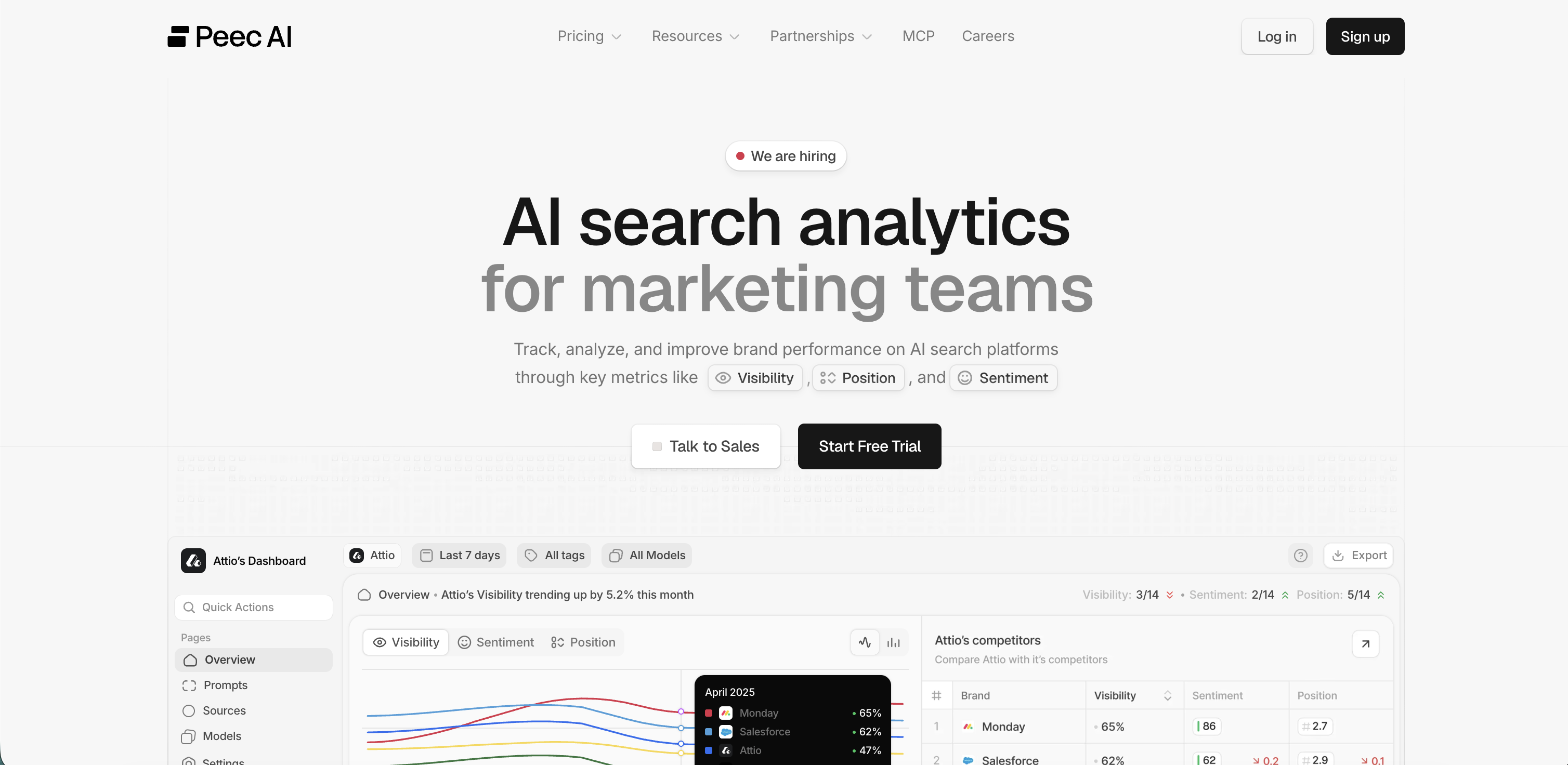
Peec AI is an AI visibility platform that tracks how often your brand appears across ChatGPT, Perplexity, Gemini, Google AI Overviews, Google AI Mode, Claude, Copilot, and Qwen. Setup takes a few minutes and the dashboard stays clean, so non-technical teams can read it on day one. Every plan includes unlimited seats, which is rare and great for agencies and larger teams. On top of tracking, Peec adds brand sentiment, competitor benchmarking, prompt suggestions, and an Actions view that groups your next moves into owned and earned media with a clear priority score. It fits small and mid-size marketing, B2B, and SaaS teams that want fast, readable data they can act on. Paid plans start at €89 per month.
2. AEO Vision
AEO Vision is an AI visibility platform built with a research-first approach to answer engine and generative engine optimization. It tracks how your brand appears across ChatGPT, Perplexity, Gemini, Google AI Overviews, and other AI engines, with a focus on citation-level data, so you can see which prompts mention you, which of your pages get cited, and how the AI frames your brand. It pairs visibility tracking with clear, actionable next steps rather than just dashboards. Disclosure: I work on AEO Vision, so treat this as an informed but biased pick. Best for SEO and content teams that want citation-level insight and a strategy layer.
3. Semrush AI Visibility Toolkit
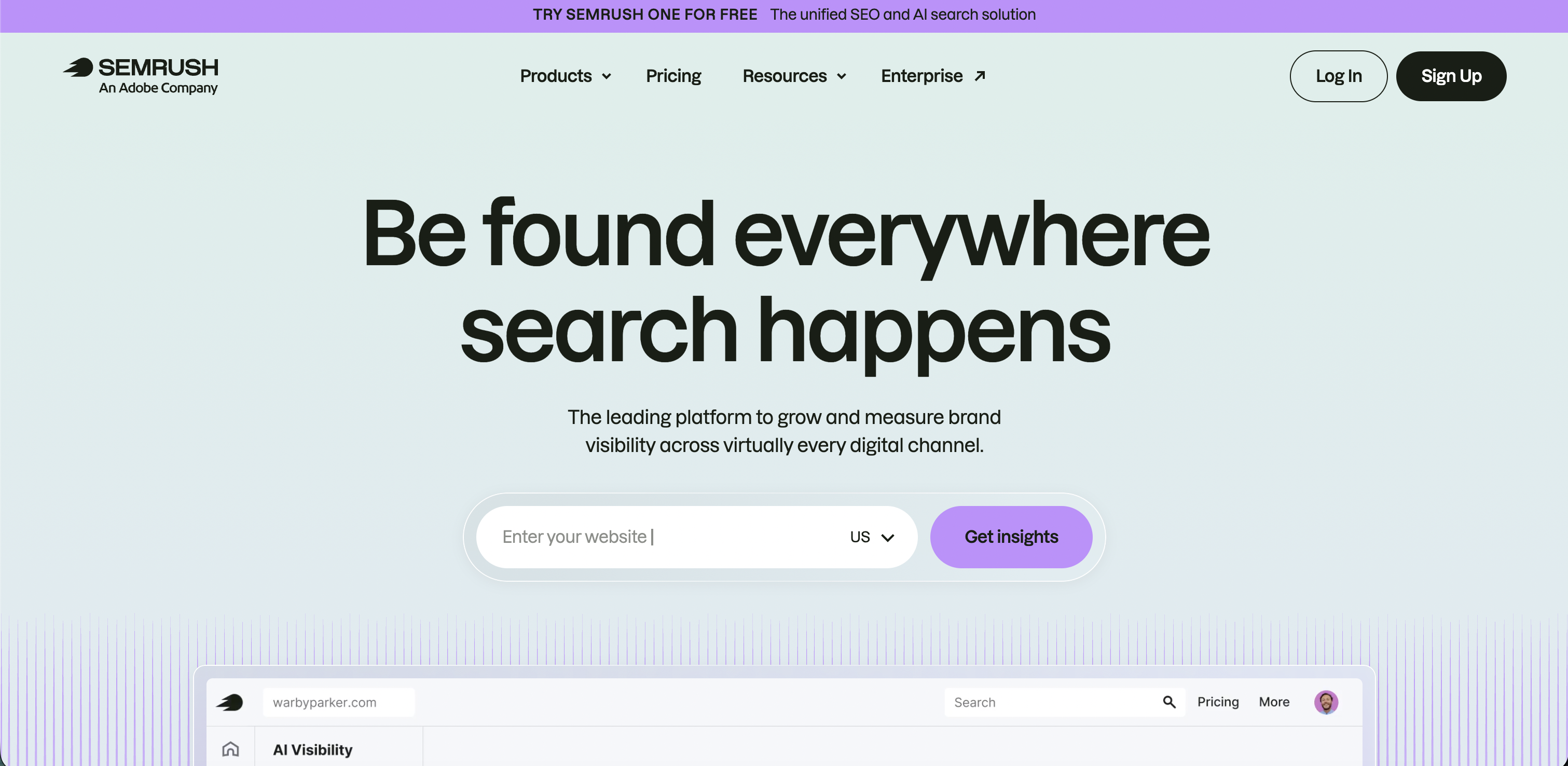
Semrush added an AI Visibility Toolkit that brings AI Overviews and LLM tracking into its full SEO suite. It covers brand mentions, sentiment, citations, and share of voice, and turns the data into clean charts your stakeholders can read. It works best as a command center for teams that already run their SEO in Semrush. Some reviews note a Google-first lean in the reporting. Best for Google-first marketing teams. The toolkit starts at $99 per month as an add-on.
4. Ahrefs Brand Radar
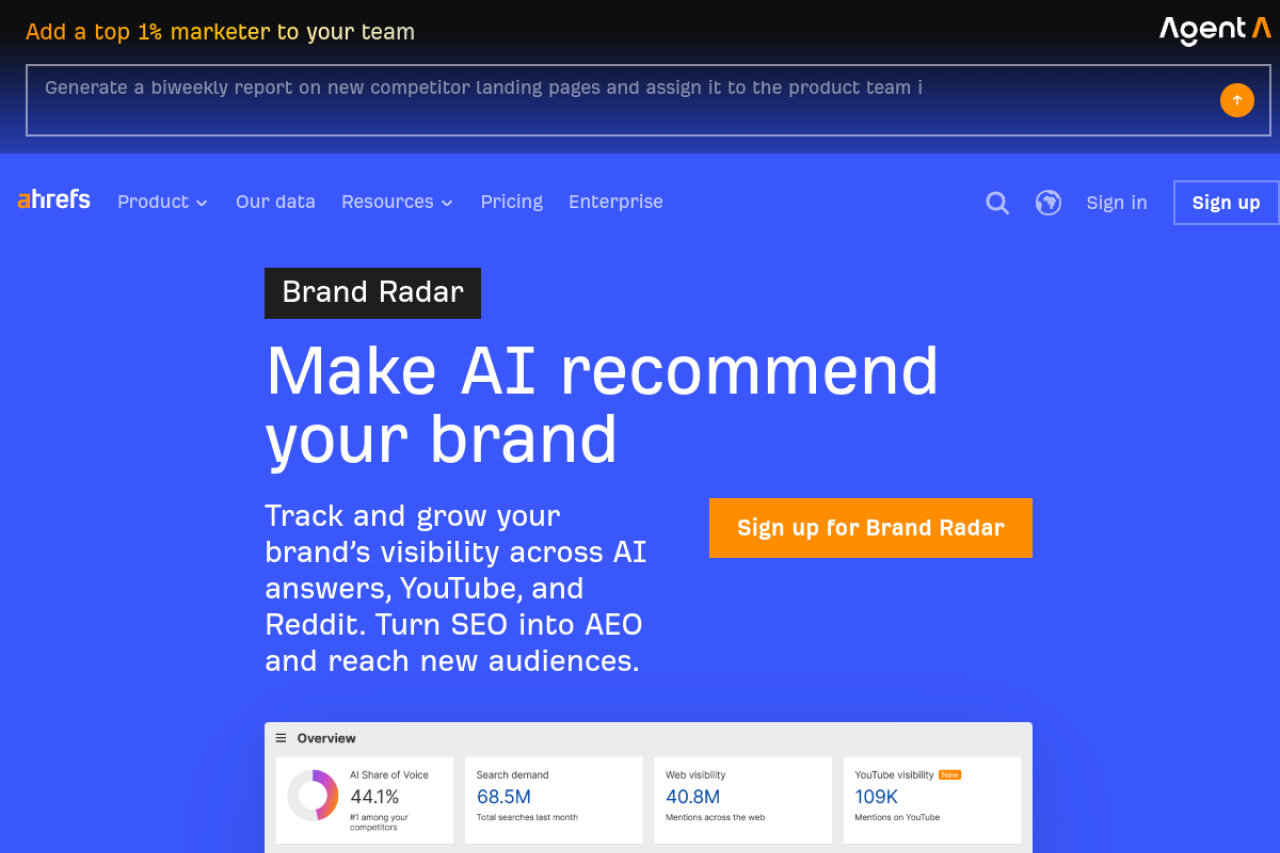
Ahrefs Brand Radar is the AI visibility dashboard built into the Ahrefs platform. It runs against a huge index of AI queries, so you get brand share of voice and citation data with almost no setup. Because it lives inside Ahrefs, it connects AI citations to backlink data and even tracks YouTube and TikTok mentions. It is strong on data but light on step-by-step fixes. Best for teams already using Ahrefs. It comes with an Ahrefs subscription, which starts at $129 per month.
5. SE Ranking (SE Visible)
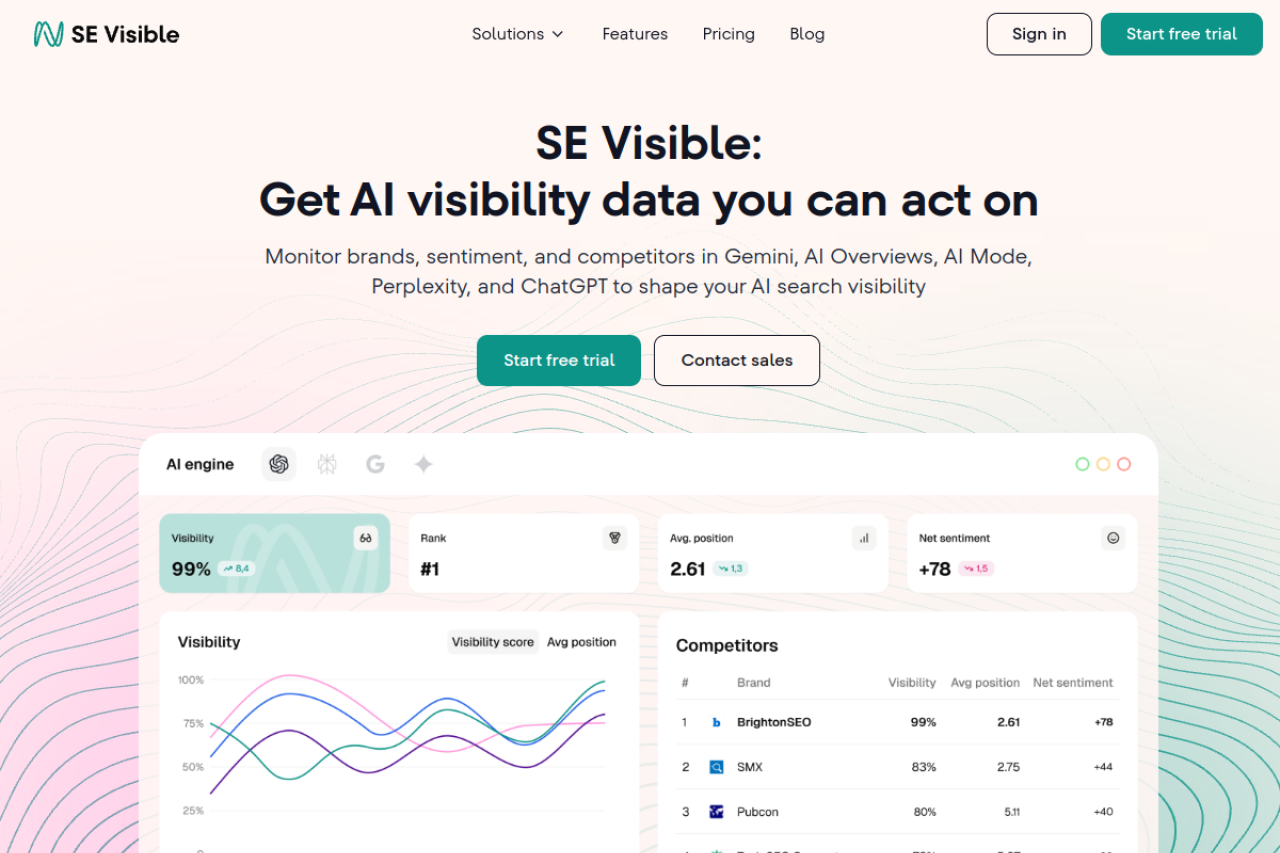
SE Visible is an AI visibility tracker built on SE Ranking's long history of search data. It tracks your brand across ChatGPT, Perplexity, Google AI Mode, and Gemini, with average position, competitor benchmarking, sentiment, prompt insights, and source analysis in one dashboard. The metrics are pre-built and easy to read, so you do not need deep technical skills. If you already use SE Ranking, you can add it to your account. Best for CMOs, agencies, and brand marketers. Plans start at $189 per month.
6. Scrunch AI
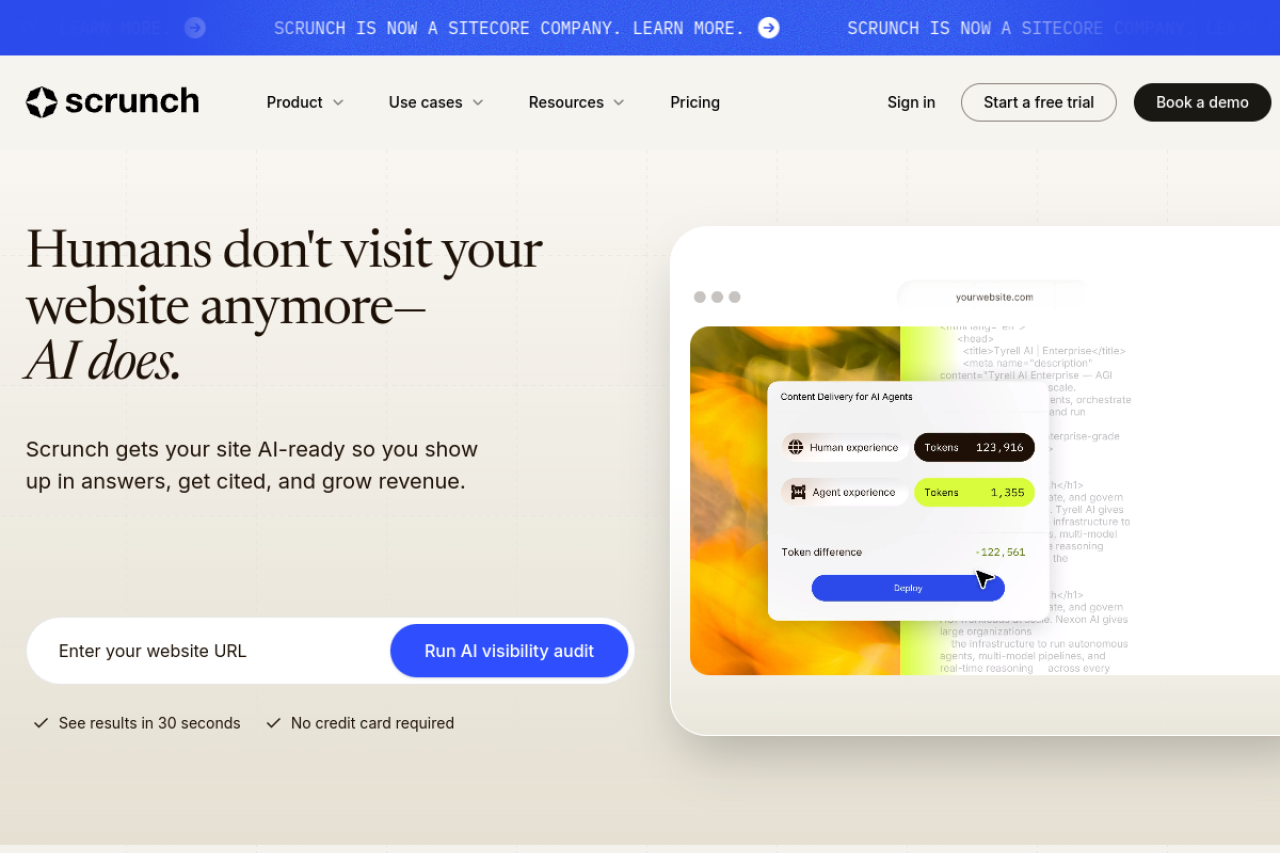
Scrunch AI is a security-first AI visibility and optimization platform with SOC 2 certification. It tracks every major engine at the prompt level and lets you label prompts by persona, topic, sales stage, and location. A standout feature is its real-time bot feed, which shows you exactly when GPTBot, PerplexityBot, and other crawlers hit your pages. Its Agent Experience Platform can serve an AI-ready version of your site without a full redesign. Note: in June 2026, Sitecore acquired Scrunch (reported at around $225 million). Sitecore says existing Scrunch customers can keep using it as a standalone product while its features are integrated into the wider Sitecore platform over time. Best for enterprises and agencies that need compliance and multi-brand monitoring. Plans start at $100 per month.
7. Otterly AI
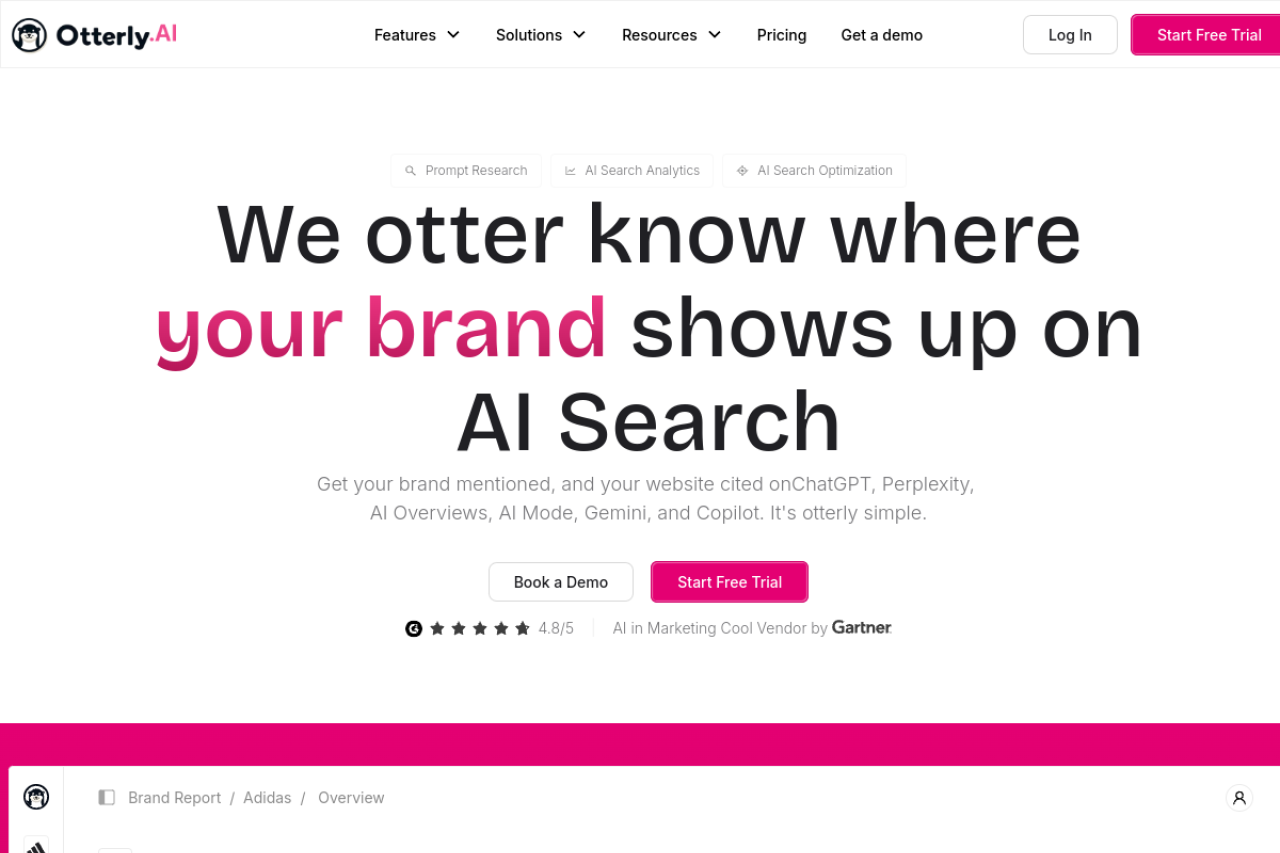
Otterly AI is a lightweight tool that pairs prompt-level tracking with automated GEO audits. It turns keywords into prompts, monitors them daily, and sends instant alerts when your visibility drops. The GEO audit flags technical blockers like missing schema and crawl issues that stop AI from citing you. Think of it as an early warning system and a PR tool for the AI age. Best for small and mid-size marketing, PR, and brand teams. Plans start at $29 per month.
8. Rankscale
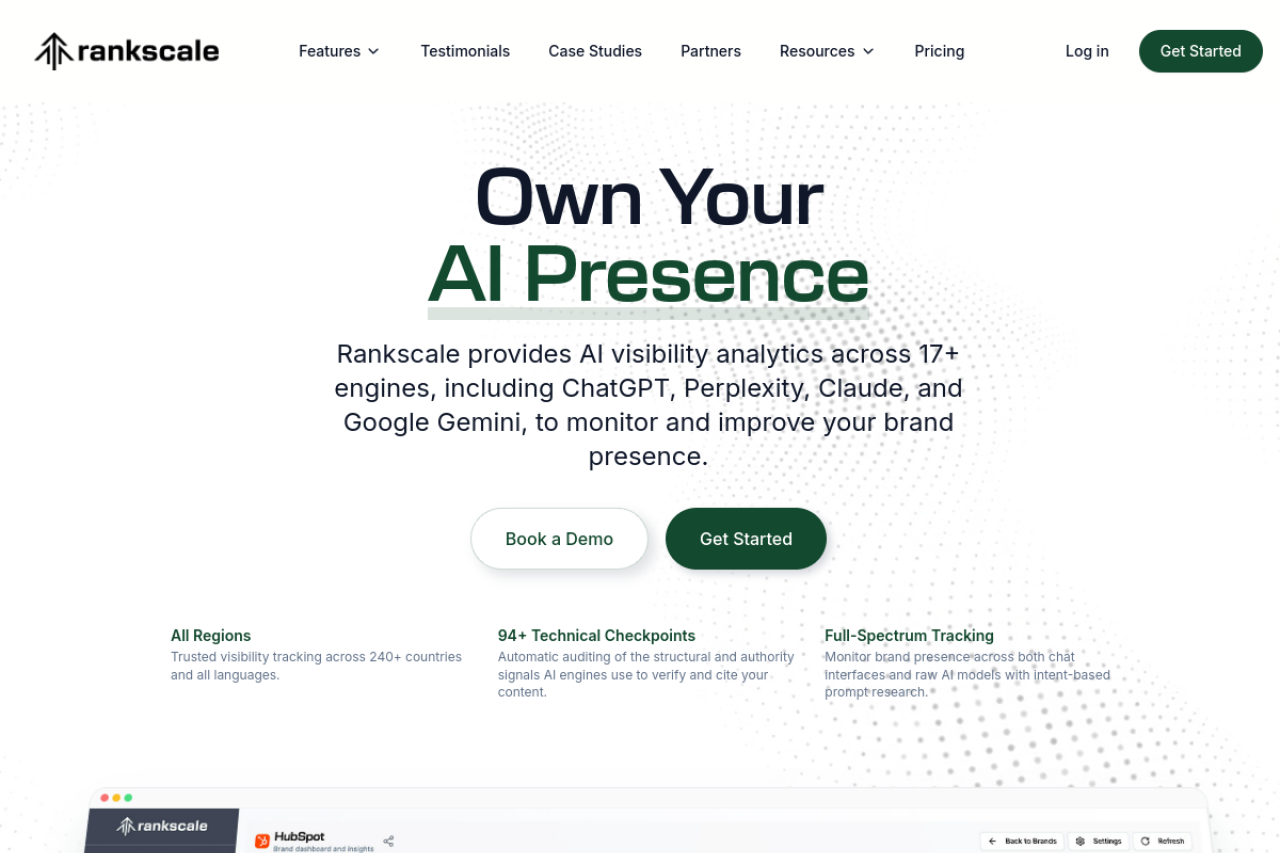
Rankscale is a budget-friendly, AI-native rank tracker with a clean interface. It uses credit-based pricing and reports a visibility score, average position, competitor benchmarking, and page-level citation tracking. It also offers white-label reports, which agencies like. The focus is tracking and analysis, so you will pair it with a writing tool for fixes. Best for SMBs, startups, lean SEO teams, and agencies. Plans start at €20 per month.
9. Conductor
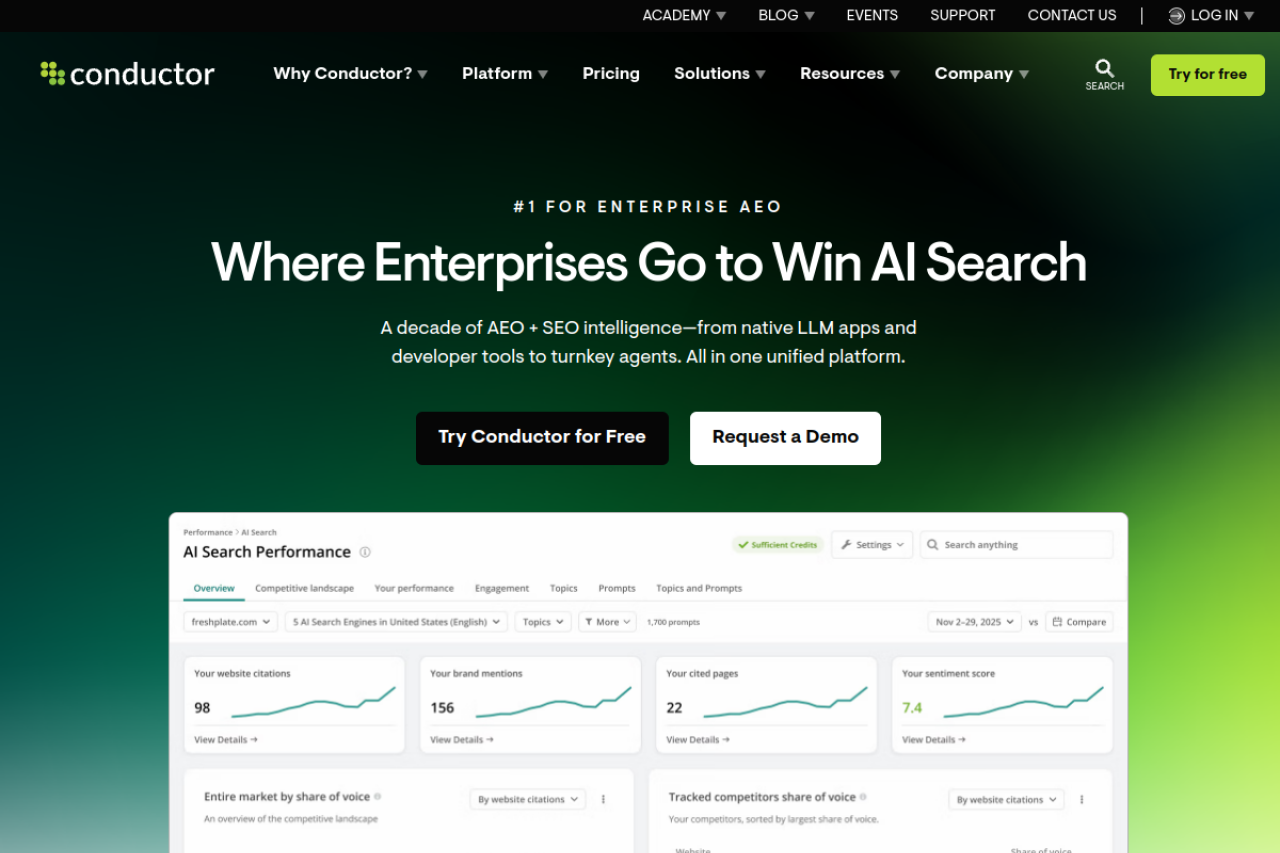
Conductor is an enterprise Answer Engine Optimization platform that joins content creation, AI visibility insights, and performance tracking in one place. Its AgentStack and deep integrations are built to bring SEO, content, ecommerce, and technical teams together around one view of organic and AI market share. It is one of the more powerful options here, and one of the more expensive. Best for large companies with dedicated teams. Pricing is custom.
10. AthenaHQ
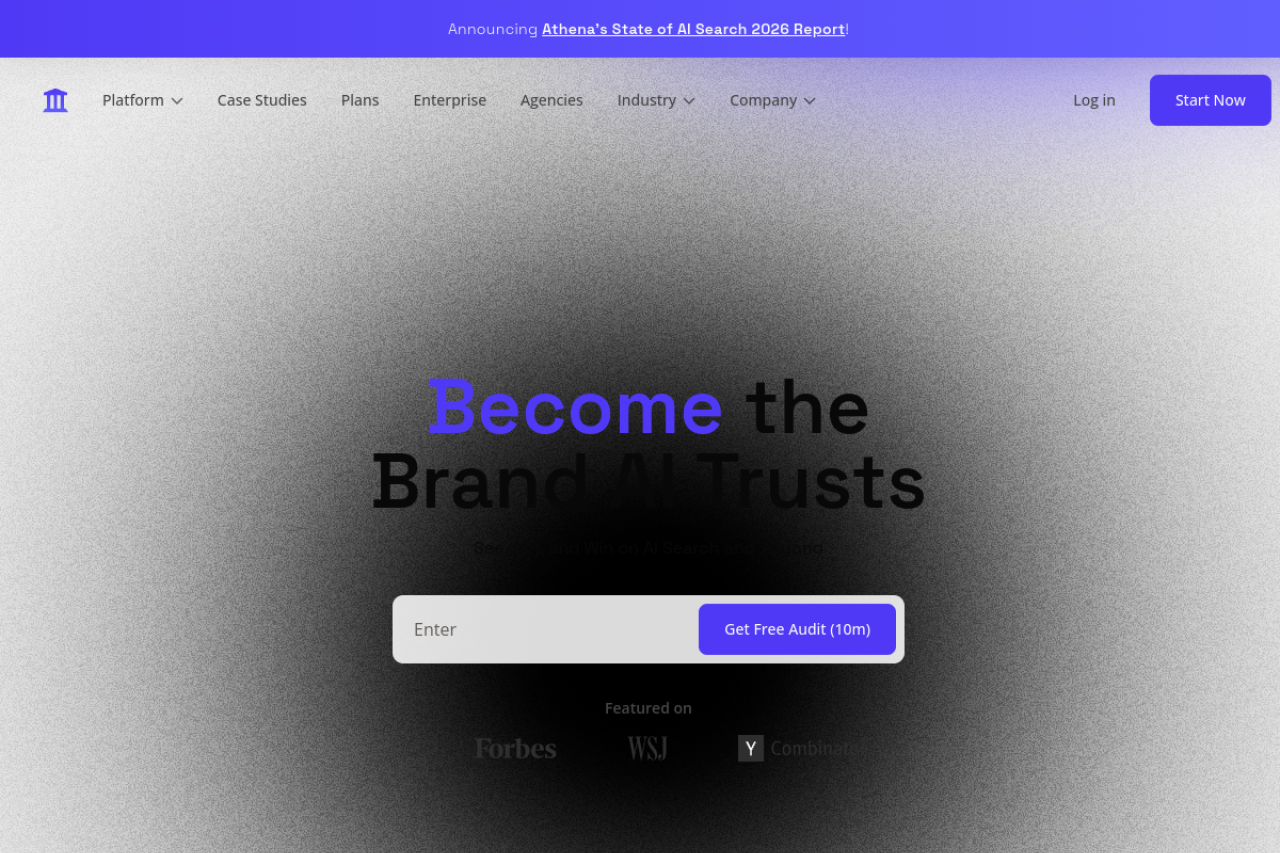
AthenaHQ is an end-to-end AEO and GEO platform that pairs tracking with expert-led recommendations. It shows which content gaps to fill, which prompts to target, and which technical issues block AI crawlers, then alerts you in real time when visibility shifts. A unified GEO score keeps the picture simple, and a Shopify integration ties content to revenue. Best for enterprises that want strategy, not just numbers. Plans start at $295 per month.
11. Writesonic GEO
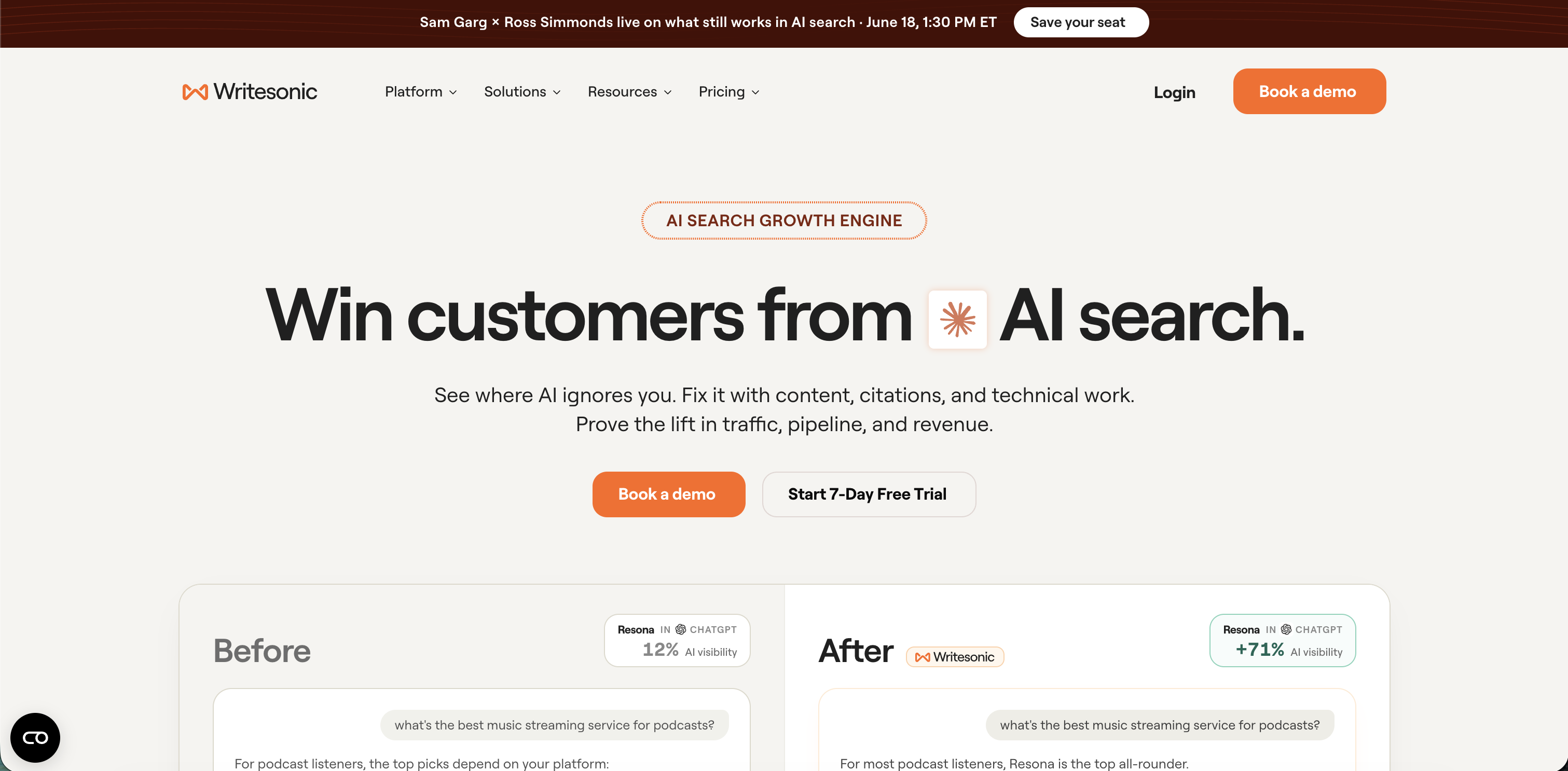
Writesonic brings content creation, SEO, and AI monitoring into one GEO platform. It simulates AI queries by country, plans content against competitors, and includes an Action Center that can fix issues directly on WordPress or Cloudflare sites. An AI Visitors dashboard shows which pages AI bots crawl most, and it tracks ChatGPT Shopping. Best for teams that want to create AI-ready content and track it in the same tool. The Professional plan starts around $249 per month.
12. Nightwatch
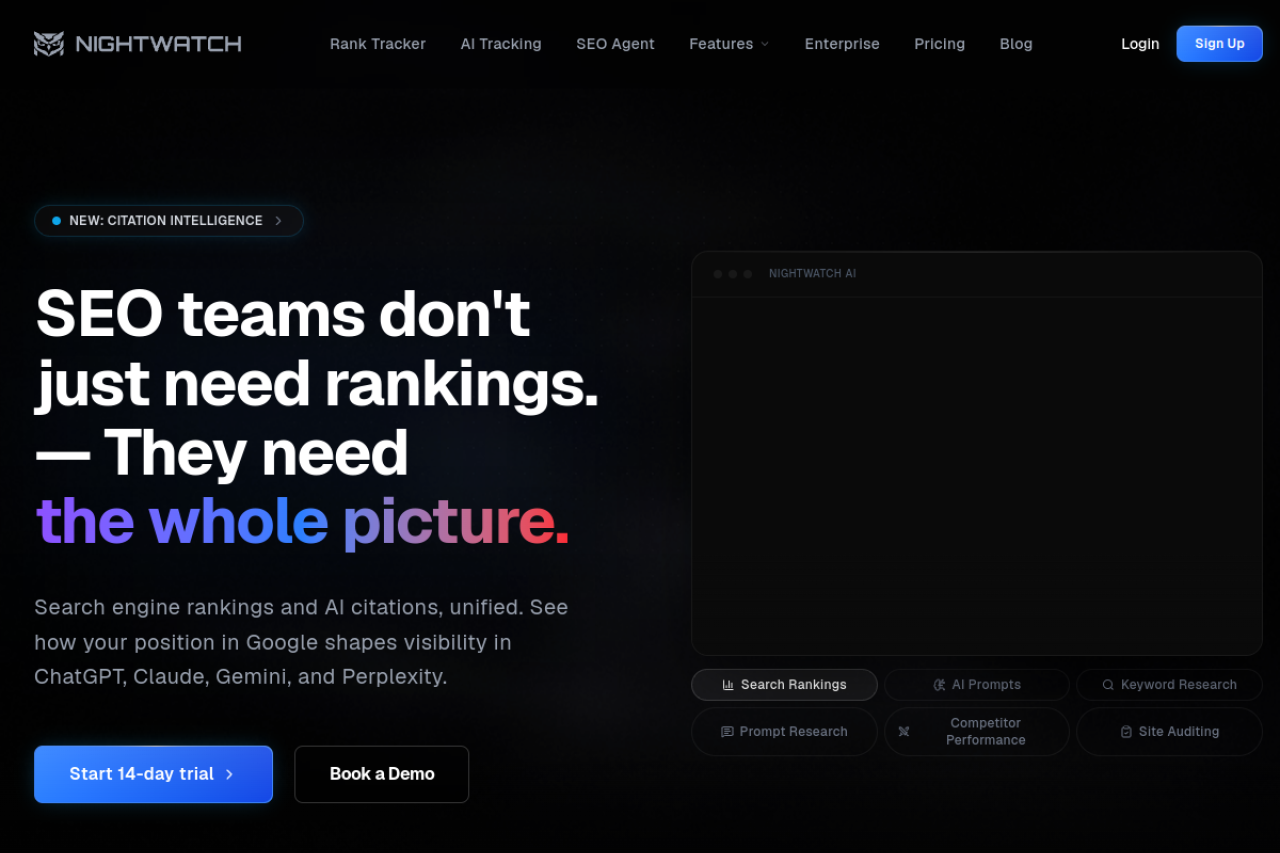
Nightwatch combines classic SEO rank tracking with AI visibility in one dashboard. It tracks daily AI Overviews and chatbot answers, and it is known for precise geo-level data down to the ZIP code or city. That makes it easy to compare your blue-link rankings and your AI presence side by side. The AI features sit on top of the rank-tracking base as an add-on. Best for SEO teams that want one unified view. Plans start at $99 per month.
13. SISTRIX
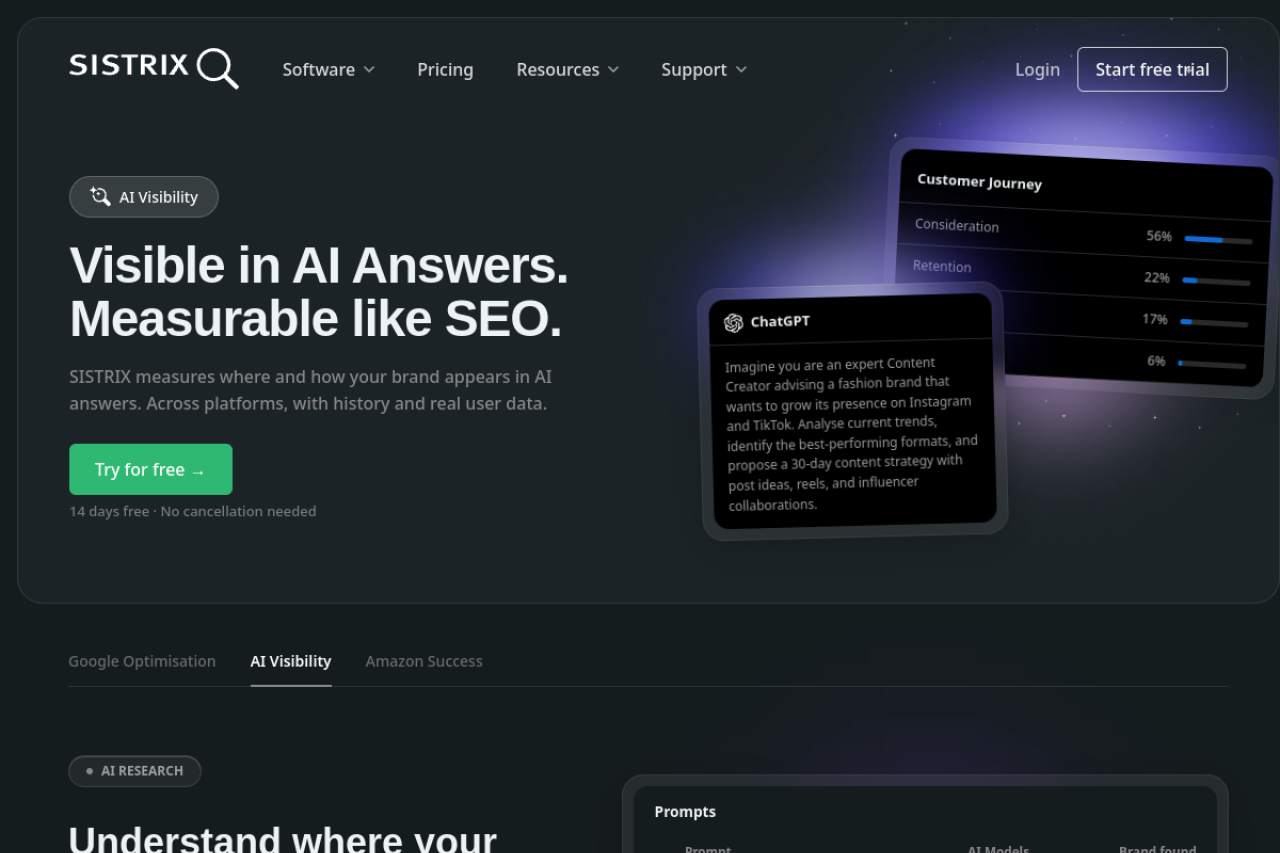
SISTRIX is a European SEO platform that expanded into AI visibility with strong geographic coverage. It tracks AI Overviews across many countries and keeps an expanded SERP archive that stores full AIO content, recognized entities, and historical changes for later audits. You can build custom tracking by engine, region, and persona. Its prompt tracker beyond Google is still maturing. Best for global brands and agencies that work across many markets. Plans start at €119 per month.
14. Nozzle
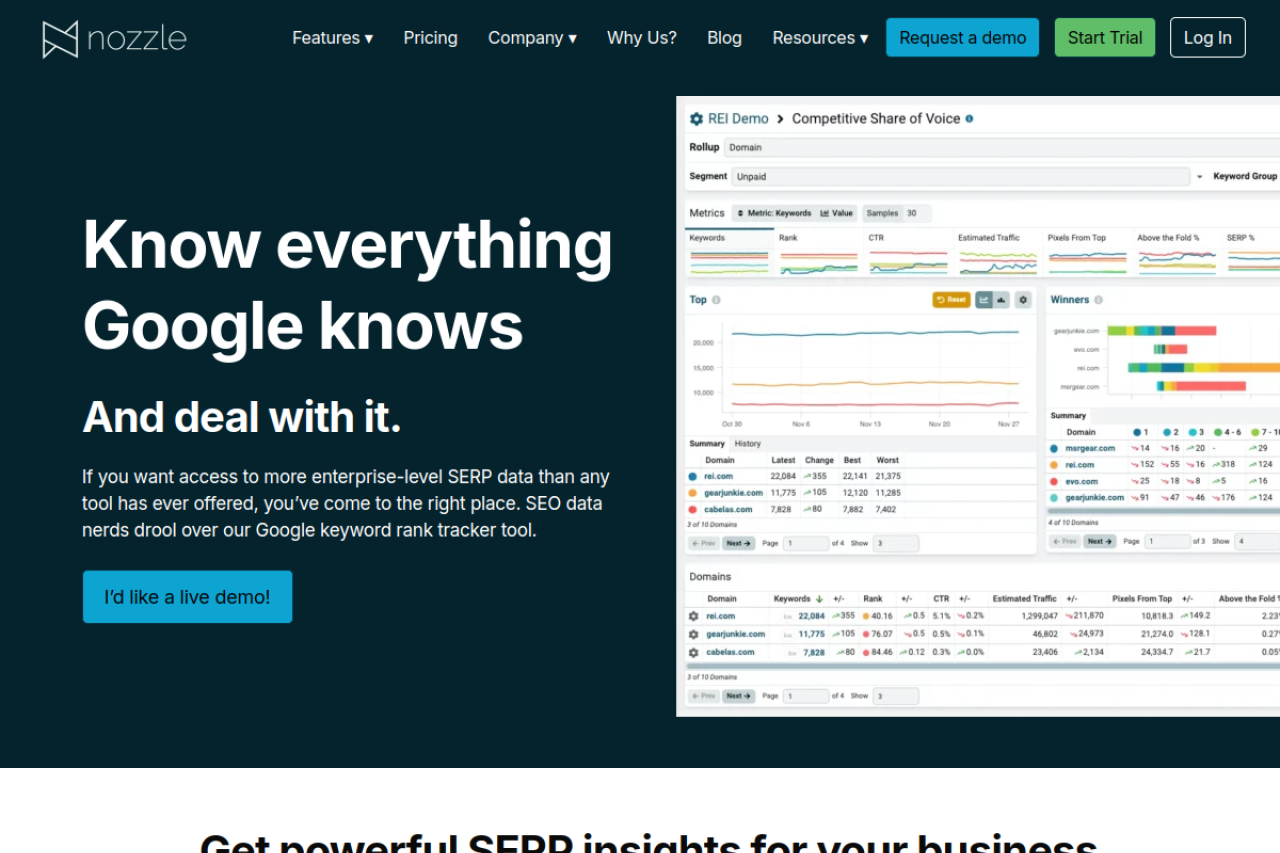
Nozzle is a flexible enterprise rank tracker with deep AI Overview data. It offers dedicated AIO dashboards with 400-plus data fields, full HTML snapshots for historical audits, and share of voice inside the AI Overview itself. You can export raw data to BigQuery for custom models. The power comes with a learning curve, so it suits analysts. Best for advanced SEO teams that want raw, customizable data. Plans start at $59 per month.
15. Botify
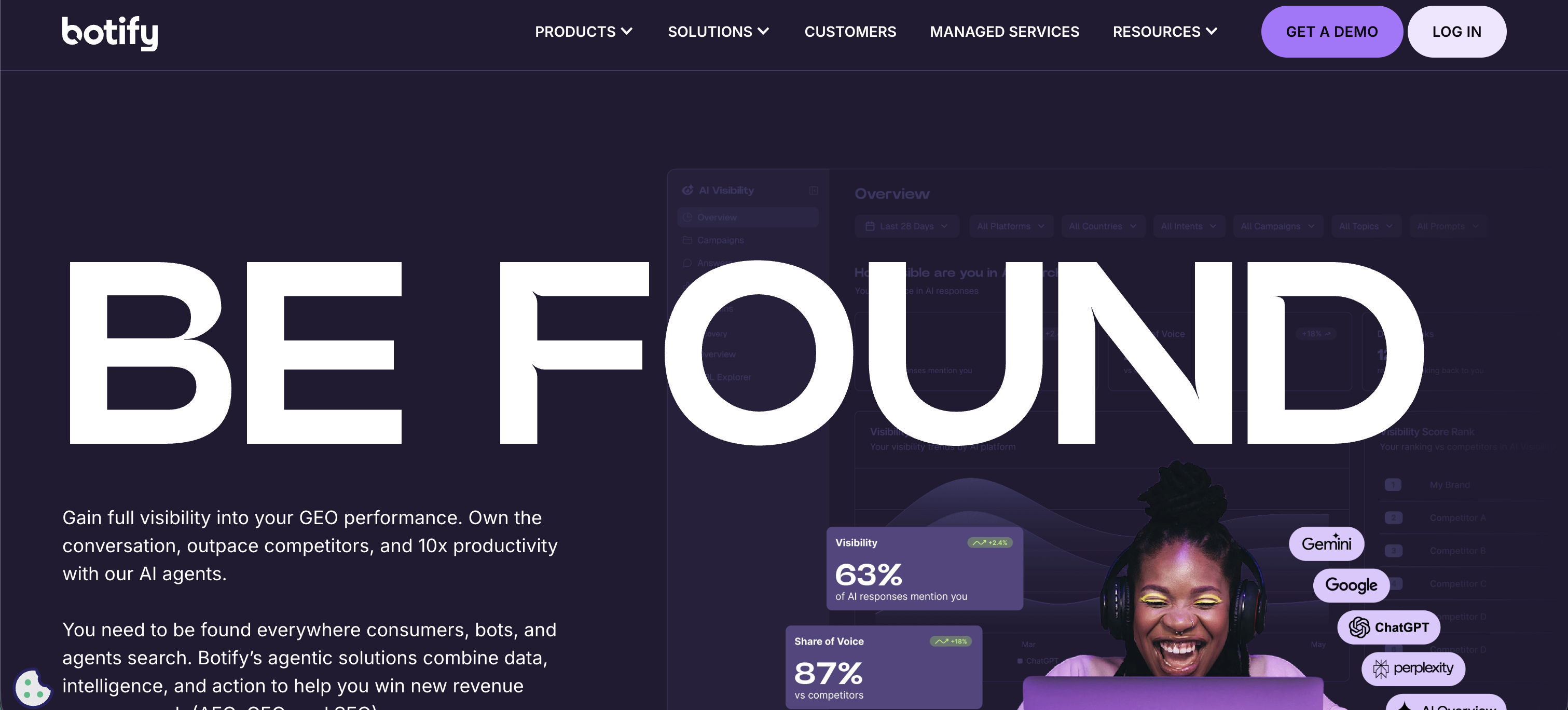
Botify connects the technical side of your site to your AI visibility. It links crawlability and log-file data to an AI Visibility Dashboard that tracks presence rate, citation share, and sentiment across engines. Its LogAnalyzer shows how often GPTBot, PerplexityBot, and others crawl you, and it flags technical blockers automatically. This is a heavy-duty platform that rewards teams who can act on log-file insights. Best for large enterprises and technical SEO teams. Pricing is custom.
16. Hall AI
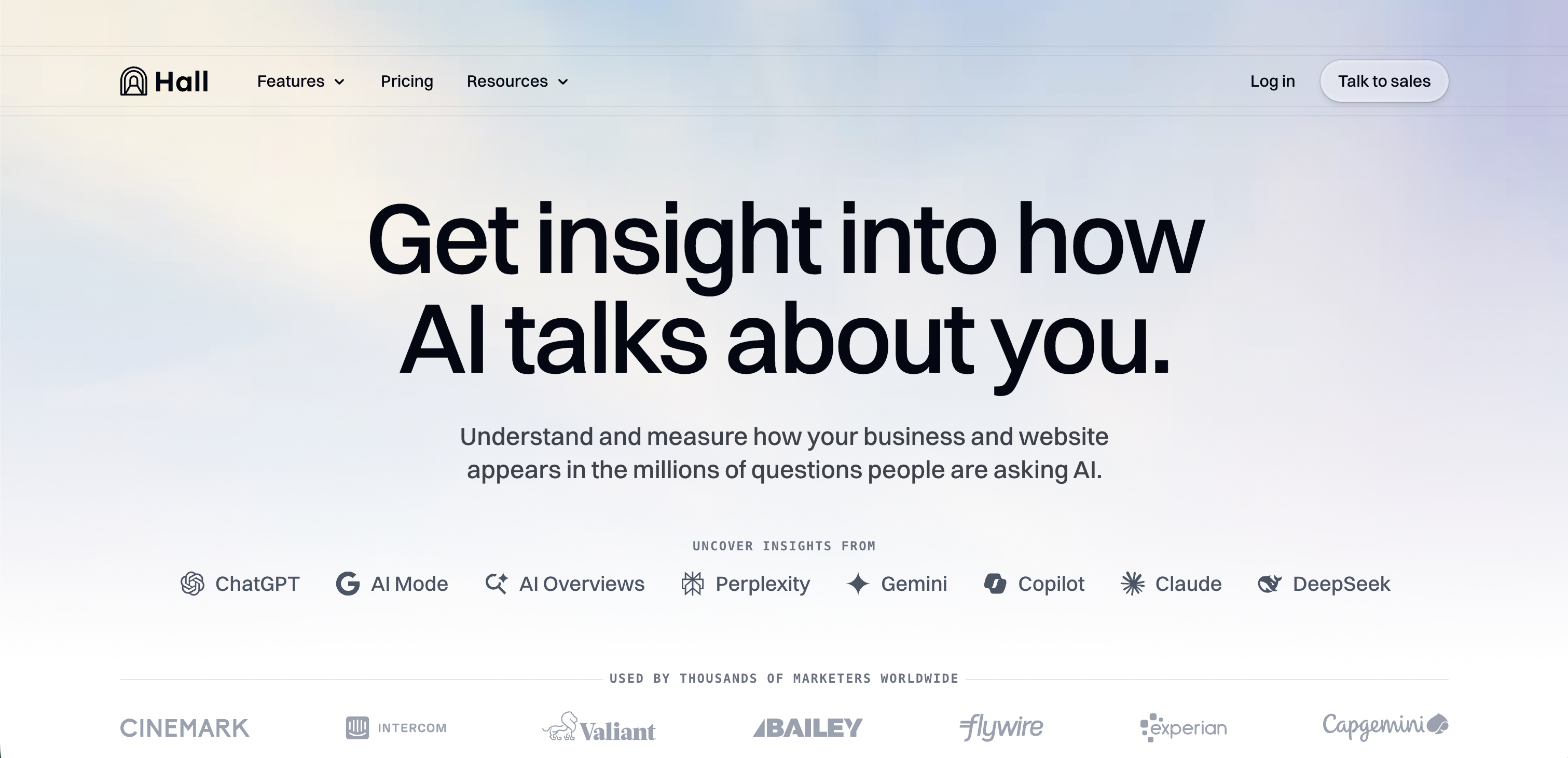
Hall AI builds its monitoring around a clear, visual dashboard for brand presence and citations. Its standout is agent analytics, which shows how AI assistants, crawlers, and bots move through your site, including where they enter and how deep they go. It also analyzes how your products surface inside ChatGPT conversations. Best for mid-market and enterprise teams that want a clean visual view. It has a free Lite tier, with paid plans starting at $239 per month.
17. Gumshoe AI
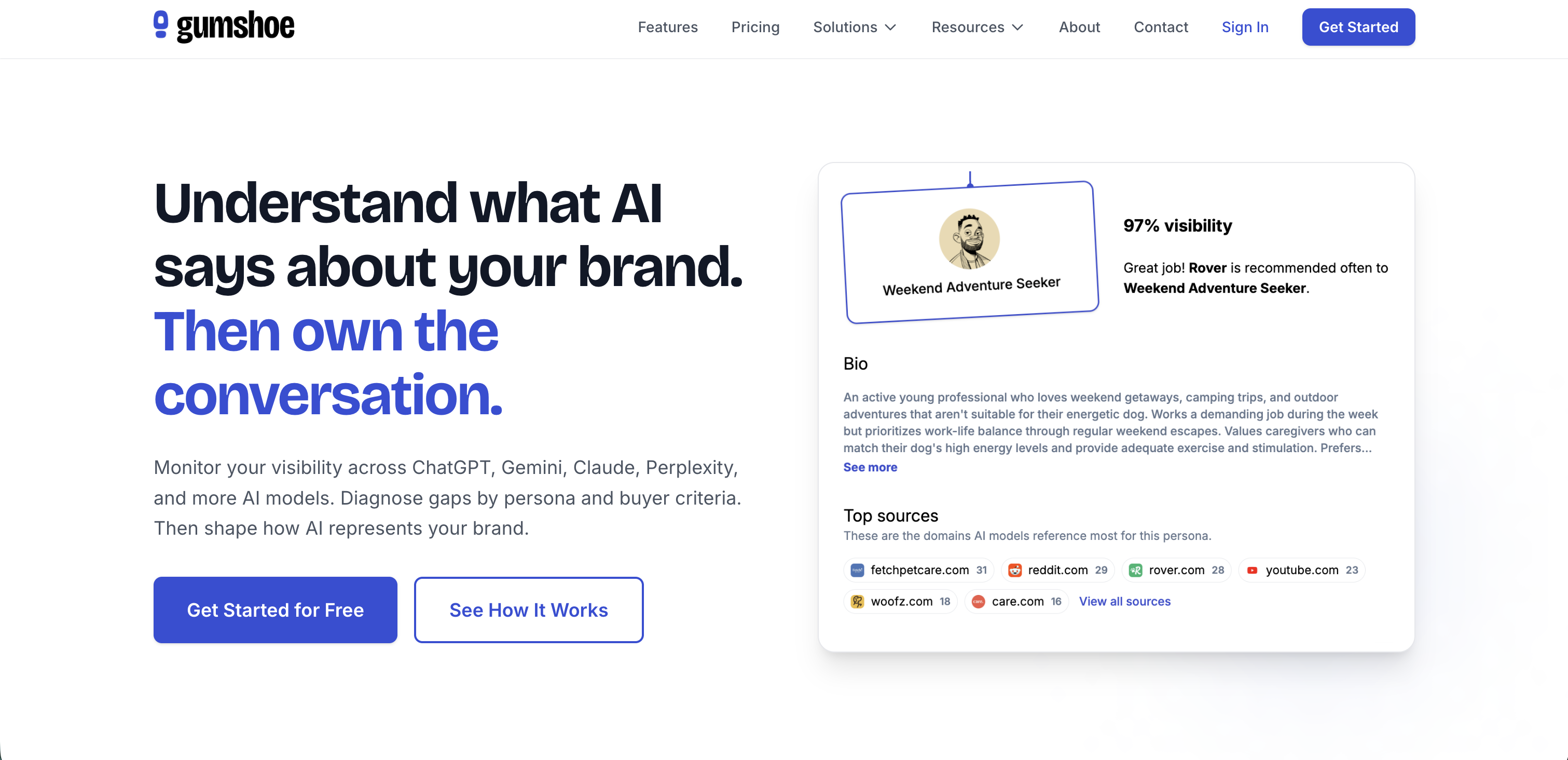
Gumshoe AI gives you persona, model, and brand visibility insights with flexible pricing. It centers on a Share of LLM metric that shows how often AI names your brand against competitors, and it simulates real buyer personas to predict what they ask. It then points to the best actions to lift your AI presence. The pay-as-you-go model is friendly for testing but can scale unpredictably at high volume. Best for brand managers and content marketers. The first three report runs are free, then it costs $0.10 per conversation.
18. Trakkr
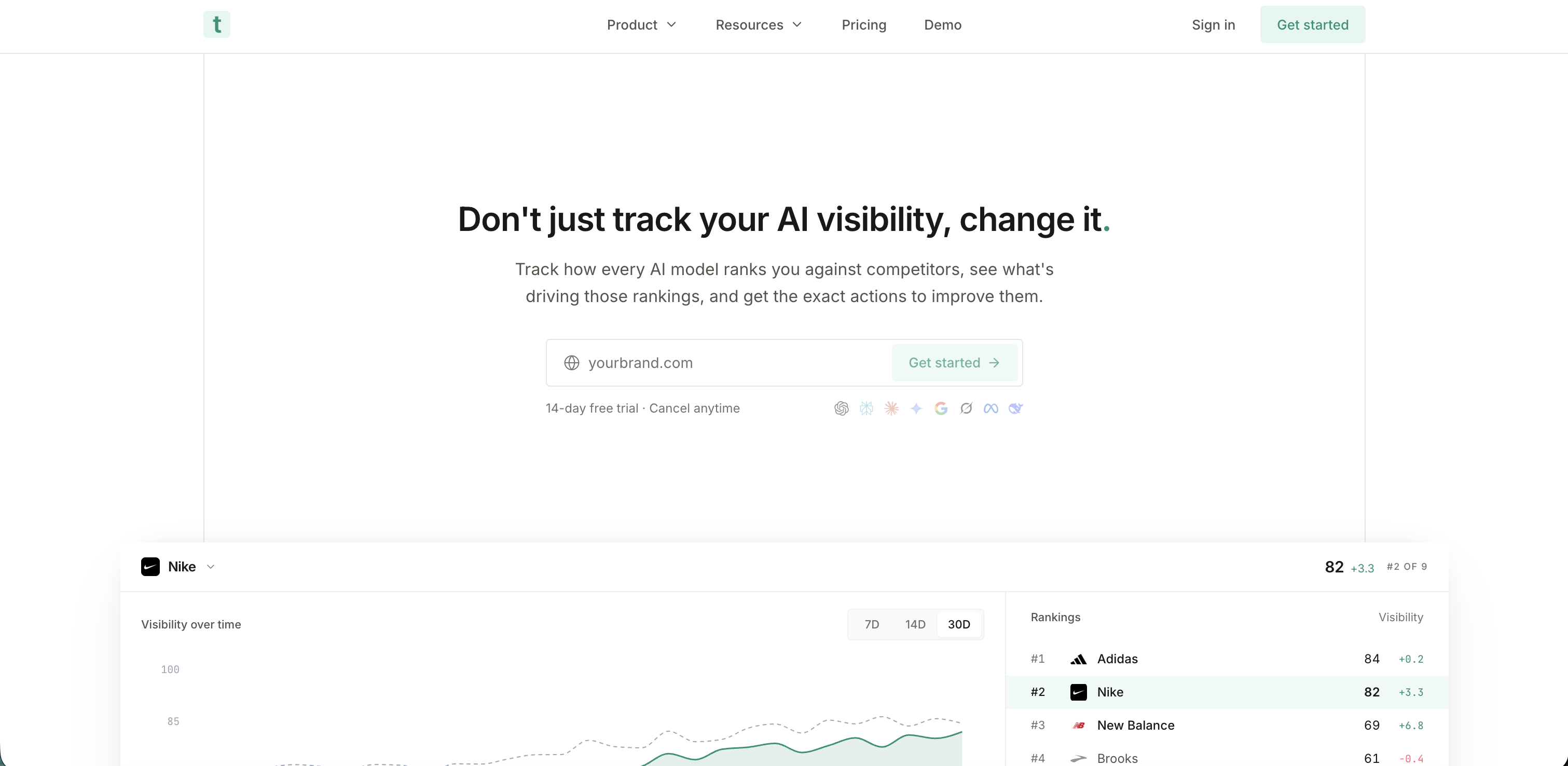
Trakkr is a command center for AI visibility with a fix-once, syndicate-everywhere approach. Its Prism technology harvests your content and serves it to AI agents as clean, machine-readable JSON-LD using Schema.org, which helps engines understand you. It also tracks crawler hits and schedules recurring audits and reports. The strongest feature sits behind paid tiers, so the free plan is best for testing. Best for growth and technical marketing teams. It has a free plan, with paid plans starting at $79 per month.
19. Waikay
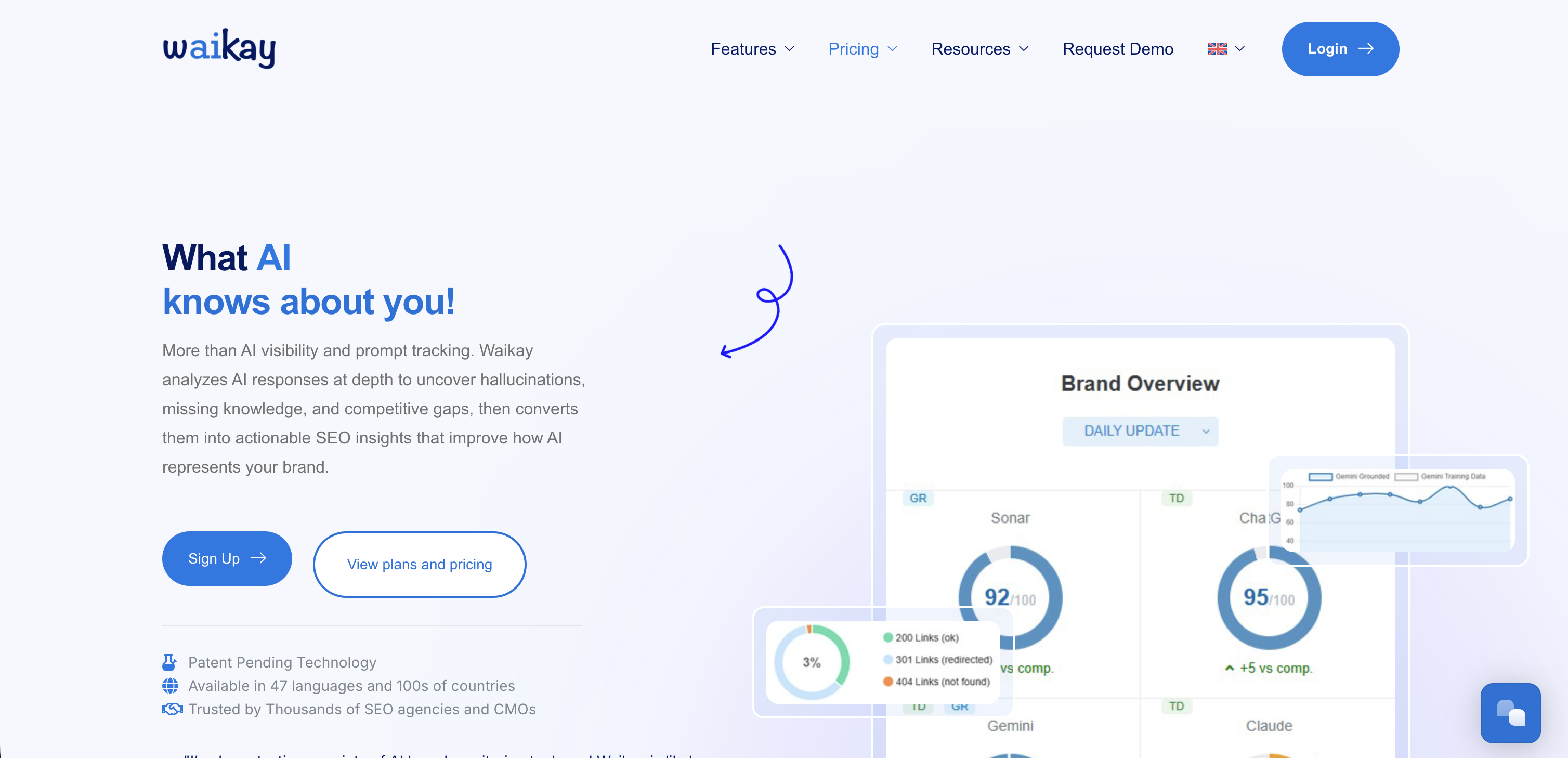
Waikay is a GEO platform that goes beyond visibility tracking to tell you exactly what to fix next. It tracks your brand across ChatGPT, Gemini, Claude, Perplexity, Google AI Mode, and Copilot, with share of voice and topical presence scores, competitor comparison, and the exact sources each model cites. Its standout is the GEO Action Plans, which turn topic-level reports into a ranked list of content updates, new pages, and backlink targets ordered by expected AI visibility lift. A fact tracker also flags hallucinations and missing knowledge so you can correct how AI describes you. It covers 47 languages and 100-plus countries, and uses a flexible credit system. Best for solopreneurs, small brands, and agencies that want affordable, action-first GEO. Plans start at $24.95 per month.
20. LLMrefs
LLMrefs is a simple, budget AI visibility tool with a free tier. It runs live keyword crawls across AI search engines and uses a proprietary scoring system to highlight your top optimization priorities. The free plan makes it low-risk to try, and the clean design suits teams just starting with GEO. Reporting updates weekly, so it is not built for fast-moving campaigns. Best for small businesses, startups, solo marketers, and agencies. It has a free tier, with the all-in-one plan at €79 per month.
21. Omnia
Omnia is an action-oriented AI search monitoring tool built for scaleups with small teams. It tracks ChatGPT, Perplexity, Google AI Overviews, and AI Mode daily, shows the exact sources behind each answer, and tracks by country. Its action layer studies winning citations and hands you a brief that says what to build, which prompts to target, and which sites to pitch. Best for VC-backed startups and scaleups that need fixes, not just dashboards. Plans start at €79 per month.
How to improve your AI visibility
Pick three to four prompts that matter most for your category, then check who gets cited and why. Study the sources the AI pulls from, since those pages and third-party sites win the answer. Create or update content that matches those citation patterns, add clear structure and schema, and pitch the review sites and forums the AI trusts. Track the change week by week, and move fast when a competitor overtakes you.
Frequently asked questions
What is AI visibility?
AI visibility is how often and how well your brand appears in AI-generated answers from tools like ChatGPT, Perplexity, Gemini, and Google AI Overviews. It covers your mentions, the pages that get cited, your position in the answer, and the sentiment around your brand.
What is the difference between SEO, AEO, and GEO?
SEO is about ranking pages in classic search results. AEO, or Answer Engine Optimization, is about being the direct answer an AI gives. GEO, or Generative Engine Optimization, is about shaping how AI models describe and cite your brand. The three overlap, and strong content helps all of them.
Which AI visibility tool is best?
There is no single best tool for everyone. Pick by team size and goal, then test two or three on a trial. Many teams pair one easy multi-engine tracker, like Peec AI, with one specialist tool that fits their exact need.
Are there free AI visibility tools?
Yes. Several tools offer a free tier or trial, which is enough to test fit before you pay. Free plans usually limit the number of prompts, engines, or how often the data refreshes.
How often should I check AI visibility?
Daily tracking is ideal, since AI answers change often. At a minimum, review your prompts once a week so you catch drops and competitor overtakes before they hit your traffic.
AI visibility tools only earn their cost when they expose citation gaps across AI engines. A platform that only sees ChatGPT cannot run a real AEO or GEO program. The minimum bar is citation tracking in ChatGPT plus Perplexity plus Gemini, with weekly deltas.
Get new research on AI search, SEO experiments, and LLM visibility delivered to your inbox.
Powered by Substack · No spam · Unsubscribe anytime